








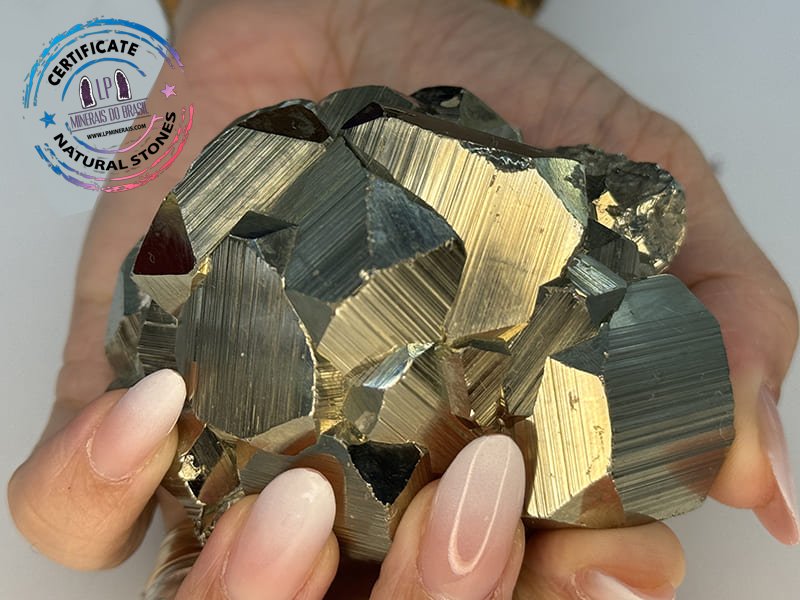
Introduction to Pyrite: Much More Than Just a Golden Glow
Pyrite is one of the most iconic and, at the same time, most underrated minerals in the mineral world. Popularly known as “fool’s gold” due to its golden metallic luster, it is often mistaken for gold by the untrained eye. However, reducing pyrite to a mere imitation would be a significant technical and commercial mistake. It is an iron sulfide with unique properties, a fundamental role in industry, and growing relevance in the global mineral market.
From a geological standpoint, pyrite is extremely abundant and can be found in a variety of formation environments, ranging from hydrothermal deposits to sedimentary rocks. Its presence is a significant geological indicator, often associated with economically important mineral deposits, including true gold.
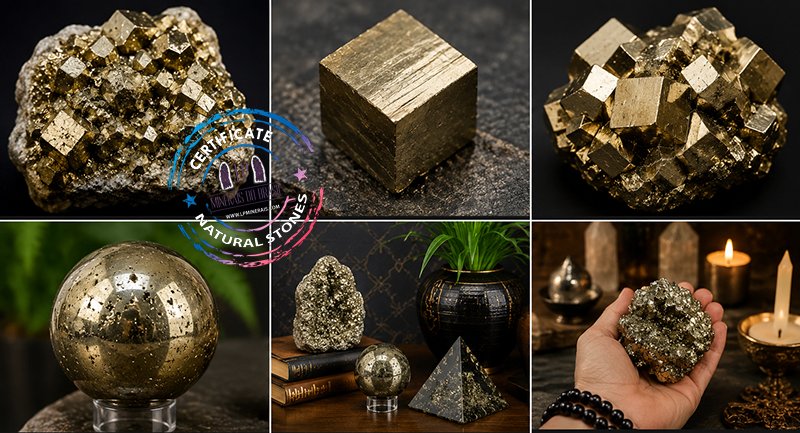
In addition to its industrial value, pyrite also possesses strong aesthetic and energetic appeal, being widely used in collecting, decoration, and holistic practices. Its combination of perfect crystalline geometry and intense luster makes it a highly sought-after item in showrooms and for export.
- Intense, reflective metallic luster
- Highly symmetrical cubic crystals
- Association with gold deposits
- Wide industrial and ornamental application
This initial overview paves the way for an in-depth analysis of its formation, composition, and strategic importance.
Geological Formation and Origin of Pyrite
The formation of pyrite occurs under quite varied geological conditions, which contributes to its widespread global distribution. This mineral forms primarily in hydrothermal, sedimentary, and metamorphic environments, resulting from the combination of iron (Fe) and sulfur (S) under specific temperature and pressure conditions.
In hydrothermal systems, pyrite precipitates from sulfur-rich fluids that interact with iron-bearing rocks. In sedimentary environments, however, its formation is often associated with bacterial activity under anaerobic conditions, especially in sediments rich in organic matter. This means that pyrite is also found in coal and shale.
In Brazil 🇧🇷, pyrite occurs in various regions, notably in Minas Gerais, one of the world’s leading mineral hubs. Its Brazilian origin adds value to the mineral, especially when aligned with responsible mining and Fair-Trade practices.
- Hydrothermal formation: high temperature and pressure
- Sedimentary formation: bacterial activity
- Metamorphic formation: mineral recrystallization
- Global occurrence, with a focus on Brazil
This diversity of formation directly impacts its appearance, purity, and market value.
Chemical Composition and Crystal Structure
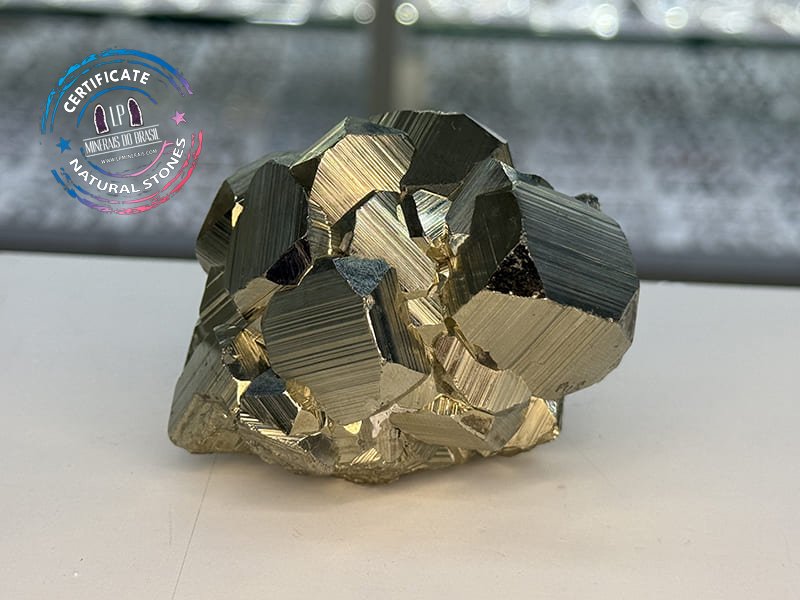
Pyrite has the chemical formula FeS₂, consisting of iron and sulfur in a highly organized crystalline structure. Its structure belongs to the cubic crystal system, which explains the formation of perfectly geometric crystals, often in the shape of cubes or pyritohedrons.
This structural organization gives pyrite remarkable physical properties, such as its relatively high hardness and intense metallic luster. The presence of sulfur in its composition also makes it important for industrial applications, especially in the production of sulfuric acid.
From a technical standpoint, pyrite has:
- Chemical formula: FeS₂
- Crystal system: cubic
- Hardness: 6 to 6.5 on the Mohs scale
- Luster: metallic
- Color: golden brass
This composition not only defines its appearance but also its practical applications and economic value.
Differentiation: Pyrite vs. Gold
One of the most relevant aspects in the study of pyrite is its differentiation from gold. Although visually similar, these two materials have completely distinct properties.
Gold is a noble, malleable, high-density metal, while pyrite is a brittle, less dense mineral. This difference can be easily observed in simple tests, such as scratching the surfaces or attempting to deform them.
- Gold: malleable and soft
- Pyrite: rigid and brittle
- Gold: high density
- Pyrite: moderate density
- Gold: does not oxidize
- Pyrite: may oxidize over time
This distinction is essential for collectors, investors, and professionals in the mineral industry alike.
Industrial and Commercial Applications
Pyrite plays an important role in industry, especially as a source of sulfur for the production of sulfuric acid, one of the most widely used chemical compounds globally. Additionally, it is used in the manufacture of cement, paper, and fertilizers.
In the ornamental market, pyrite is widely used in interior decoration, jewelry, and mineral design. Its metallic luster adds sophistication to spaces and pieces, making it highly valued in architectural projects and showrooms.
- Sulfuric Acid Production
- Use in fertilizers
- Decoration and design
- Alternative jewelry
- Mineral collecting
This versatility enhances its relevance in the global market.
Market Value, Rarity, and Buyer Profile
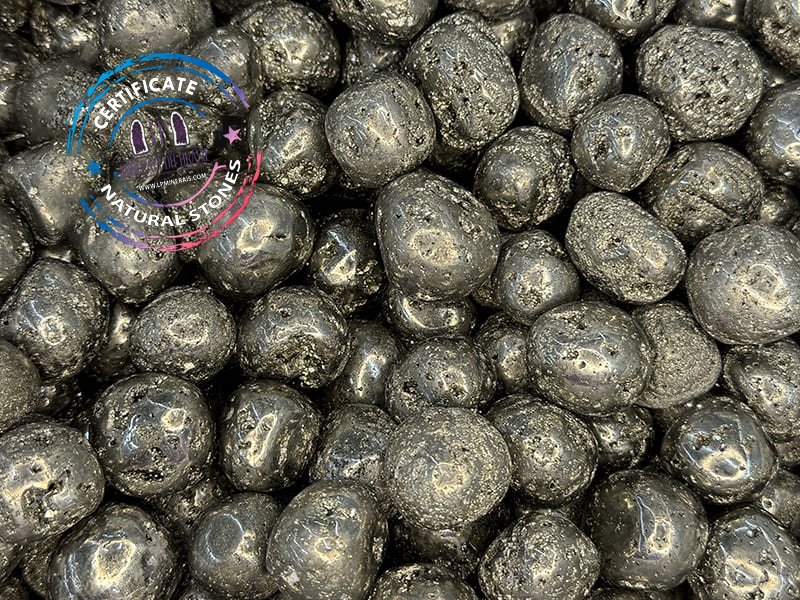
Although pyrite is not considered a rare mineral, high-quality specimens—with well-formed crystals and intense luster—can command high prices on the market. Origin, size, and aesthetics are key factors in determining price.
The buyer profile includes:
- Discerning collectors
- Interior designers
- Holistic therapists
- Exporters and retailers
The value of pyrite is directly linked to its presentation and origin, especially when associated with Brazil and sustainable practices.
Energy Layer and Spiritual Meaning of Pyrite
Pyrite is widely recognized in the energy world as a stone of protection, prosperity, and personal empowerment. Its golden luster symbolizes wealth—not only material, but also intellectual and spiritual. Traditionally, it is believed to act as a shield against negative energies, promoting self-confidence and mental clarity.
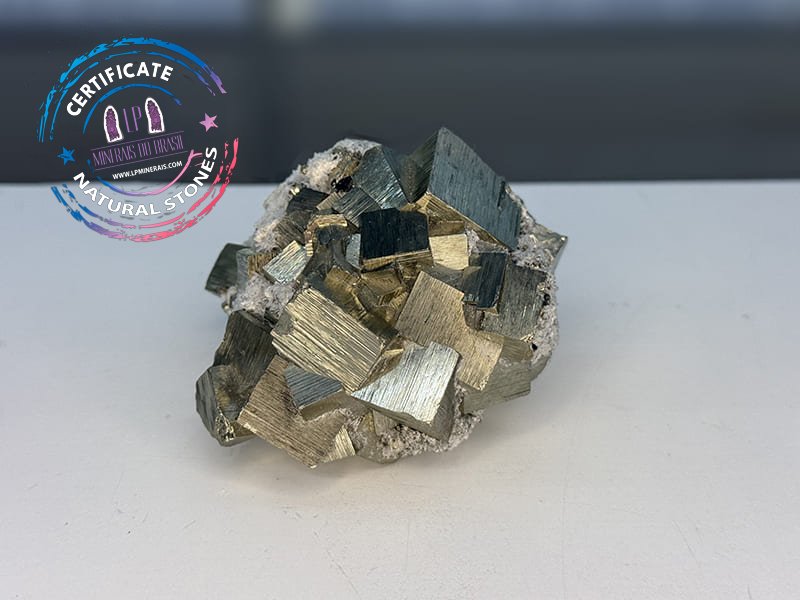
In holistic practices, pyrite is used to stimulate the solar plexus chakra, associated with personal power and fulfillment. Its energy is considered active, stimulating, and highly protective, making it ideal for work environments and decision-making.
Additionally, pyrite is often associated with archetypes of leadership and fulfillment, and is used in meditations focused on concentration and the manifestation of goals.
- Chakra: Solar Plexus
- Element: Fire
- Zodiac Sign: Leo
- Planet: Sun
- Energy: Protection and Prosperity
This energetic dimension complements its technical relevance, enhancing its value in the contemporary market.
🧾 LP MINERALS TECHNICAL SECTION ⛏💎📦🗺
🗺 » ORIGIN: Brazil 🇧🇷, Spain, Peru, Italy
⚛️ » CHEMICAL COMPOSITION: FeS₂
🔩 » MOHS SCALE: 6 – 6.5
🔢 » NUMEROLOGY: 3
🔅 » MEANING: Prosperity and protection
🅰️ » SUMMARY: Metallic mineral composed of iron and sulfur with a golden luster
✅ » SPECIFICATION: Crystalline iron sulfide
🧩 » STATE: Crystalline solid
⚒ » FORMATION: Hydrothermal, sedimentary, and metamorphic
⚠️ » CARE: Avoid excessive moisture
🛁 » CLEANING: Dry cloth; do not use water
🎨 » COLOR: Metallic gold
☯️ » ZODIAC: Leo
🪐 » SOLAR SYSTEM: Sun
➰ » CHAKRAS: Solar Plexus
♻ » ELEMENT: Fire
💎 » RARITY: Common (high quality = prized)
🗳 » CHARACTERISTIC: Metallic luster and cubic crystals
FAQ – Frequently Asked Questions About Pyrite
Is pyrite real gold?
No. Despite the visual similarity, pyrite is an iron sulfide, while gold is a pure chemical element.
How can you identify authentic pyrite?
Look for the cubic shape, metallic luster, and hardness. Pyrite is not malleable like gold.
Can pyrite rust?
Yes. In humid environments, it can oxidize due to the iron in its composition.
What is the market value of pyrite?
It varies depending on quality, size, and origin. Premium pieces have high decorative and export value.
Can pyrite get wet?
It is not recommended. Moisture can cause oxidation.
Is pyrite used in jewelry?
Yes, especially in alternative jewelry and contemporary design.
Conclusion: Pyrite as a Technical and Commercial Mainstay
Pyrite transcends its reputation as “fool’s gold” by establishing itself as a mineral of extreme technical, industrial, and energy importance. Its presence in various geological contexts, combined with its striking aesthetics, positions it as a significant asset in the mineral sector.
For LP MINERAIS ⛏💎📦🗺, pyrite represents not just a product, but a symbol of the connection between science, the market, and energy. Its responsible mining, with a focus on Brazilian sourcing and Fair-Trade practices, reinforces our commitment to sustainability and excellence.
By Doris S. Rosa
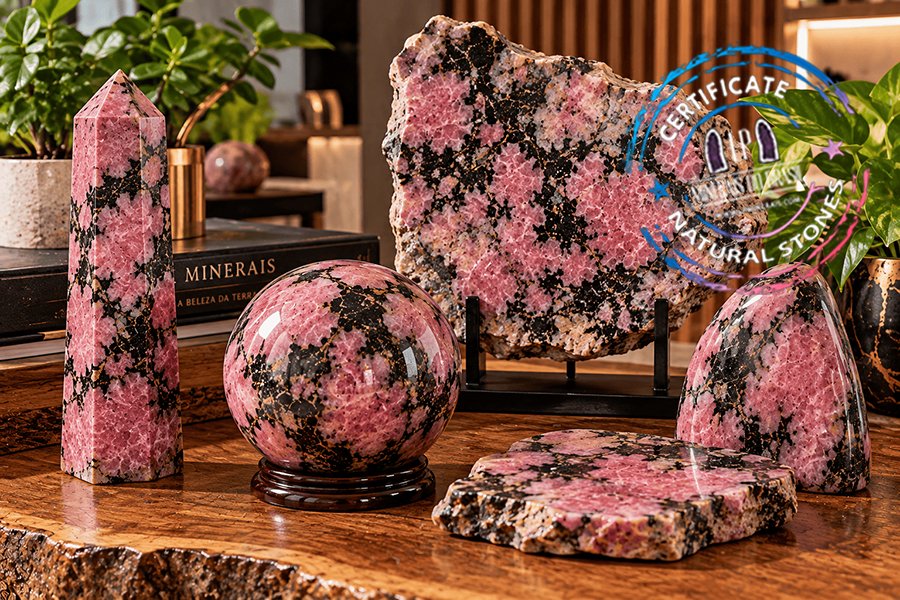
Rhodonite: Why Is It Known as the Stone of Forgiveness and Emotional Healing?
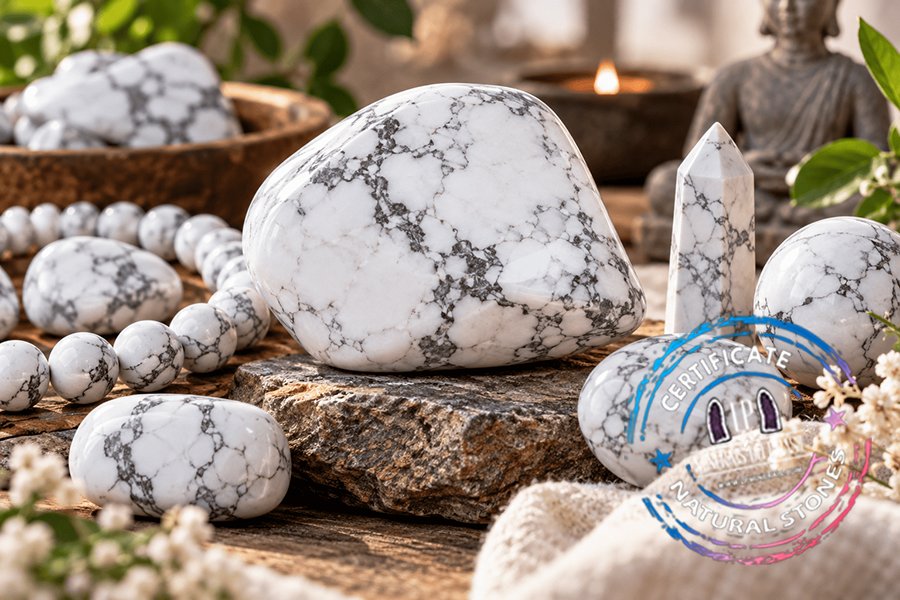
Howlite: what lies behind the Stone of Calm and Inner Silence?
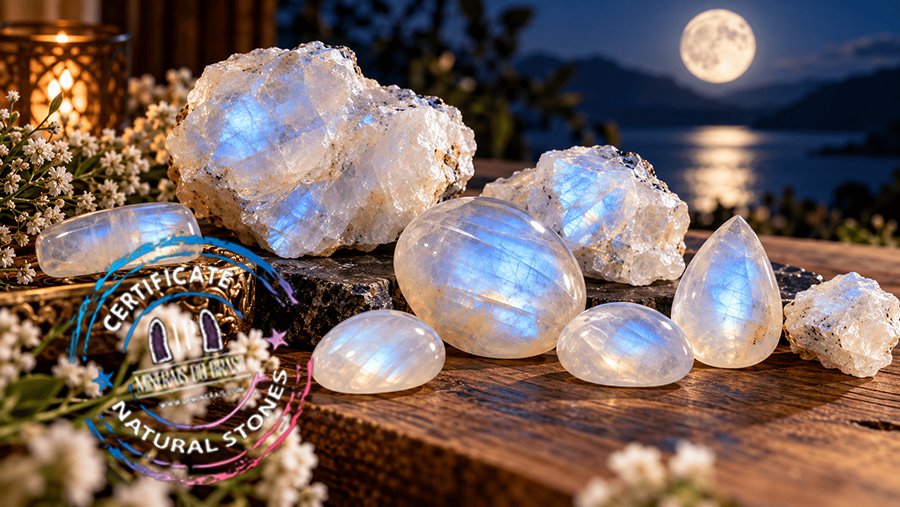
Moonstone: the Stone of Intuition, Feminine Energy, and the Mysteries of the Moon.
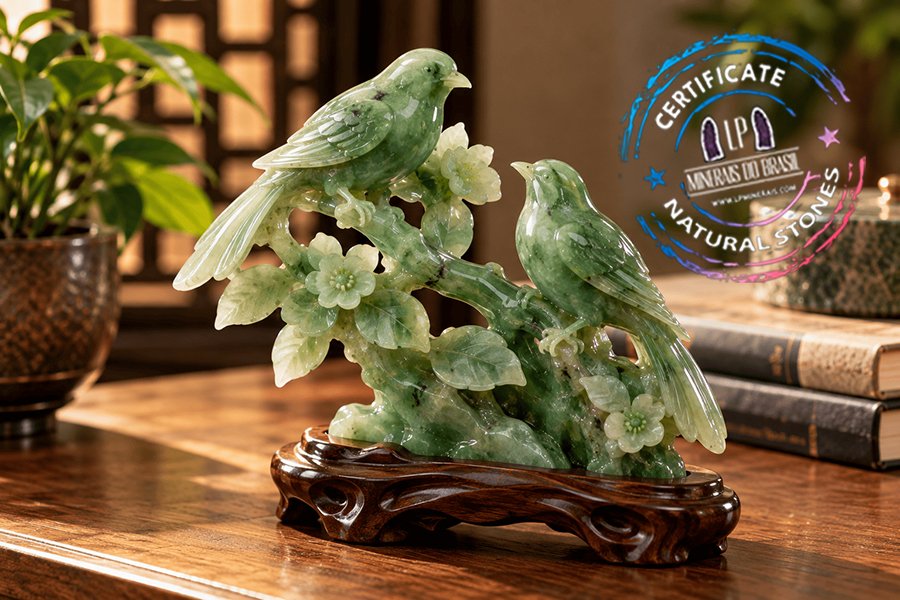
Jade: The Stone of Wisdom, Prosperity, and Harmony That Spans Millennia
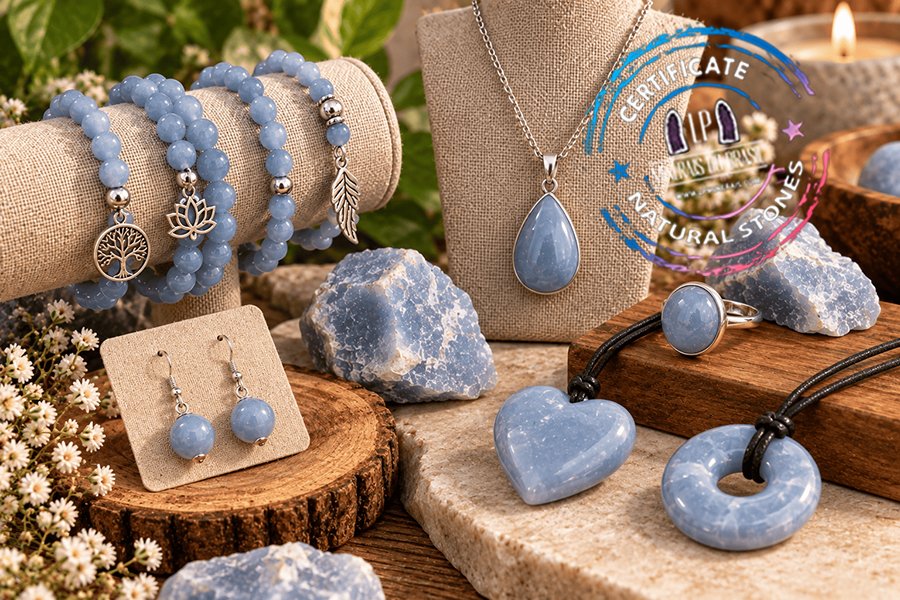
Angelite: The Stone of Serenity, Intuition, and Spiritual Connection
Green Aventurine: the Stone of Prosperity, Opportunity, and New Paths
Orange Calcite: The Solar Energy That Awakens Creativity and Movement
Black Obsidian: origin, formation, properties, and meaning of one of the best-known protective stones.
Carnelian: origin, formation, mineralogy, and the vibrant energy of a stone linked to action.
Fluorite: Mineralogy, Formation, Colors, and Meaning of a Mineral that Organizes Light and Color