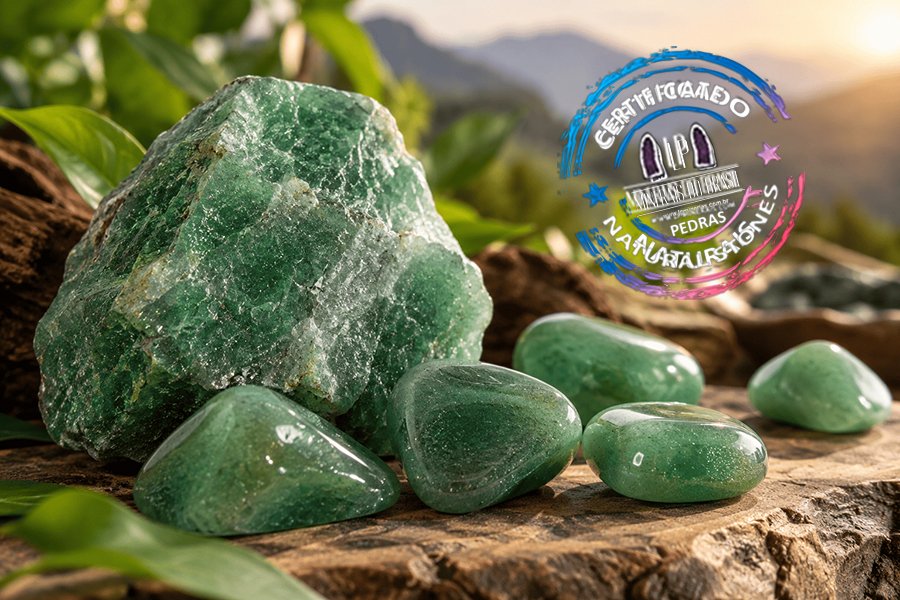
Natural Green Quartz is a rare and fascinating variety of the quartz group, prized both for its mineralogical beauty and for its symbolic associations traditionally linked to renewal, emotional balance, and a connection to the energy of nature. Its soft green color attracts the interest of collectors, jewelers, interior designers, and crystal enthusiasts seeking natural minerals with a striking visual identity.
Over the years, Green Quartz has become a stone frequently associated with vitality, growth, and harmony. However, it is important to note that there is significant commercial confusion between
Natural Green Quartz and Green Aventurine. Although they may appear similar in some cases, they are not always the same mineralogical material. Therefore, understanding its formation, composition, and characteristics is essential for those seeking technical knowledge and authenticity.
In addition to its traditional symbolism, Natural Green Quartz has significant geological relevance, as it belongs to one of the most important and abundant mineral groups on Earth: quartz.
What Is Natural Green Quartz?
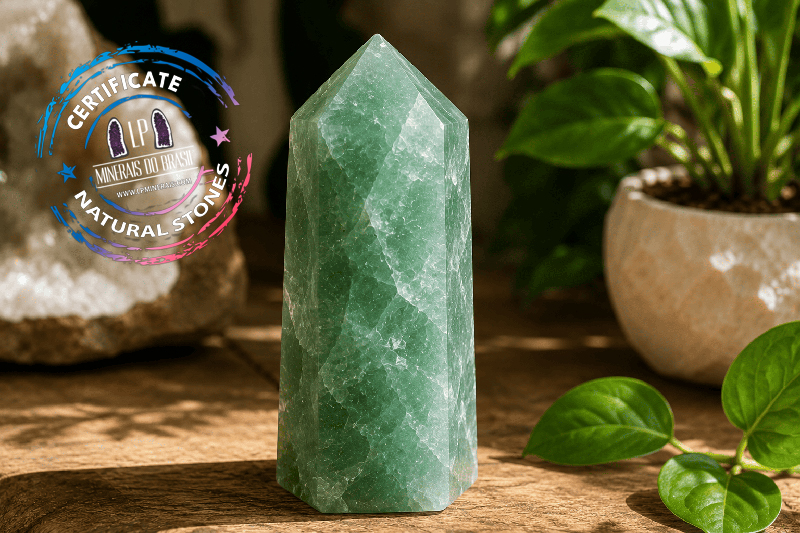
Natural Green Quartz is a variety of quartz that exhibits green hues due to mineral inclusions or natural processes that influence its coloration. Depending on the geological deposit, the intensity of the color can vary from translucent light green to deeper shades.
Because it belongs to the quartz group, it shares structural properties similar to other varieties in this mineral family, including good physical strength, a vitreous luster, and wide applicability across different market segments.
Its understated and elegant beauty makes it suitable for use in:
- Jewelry;
- Decorative objects;
- Mineral collecting;
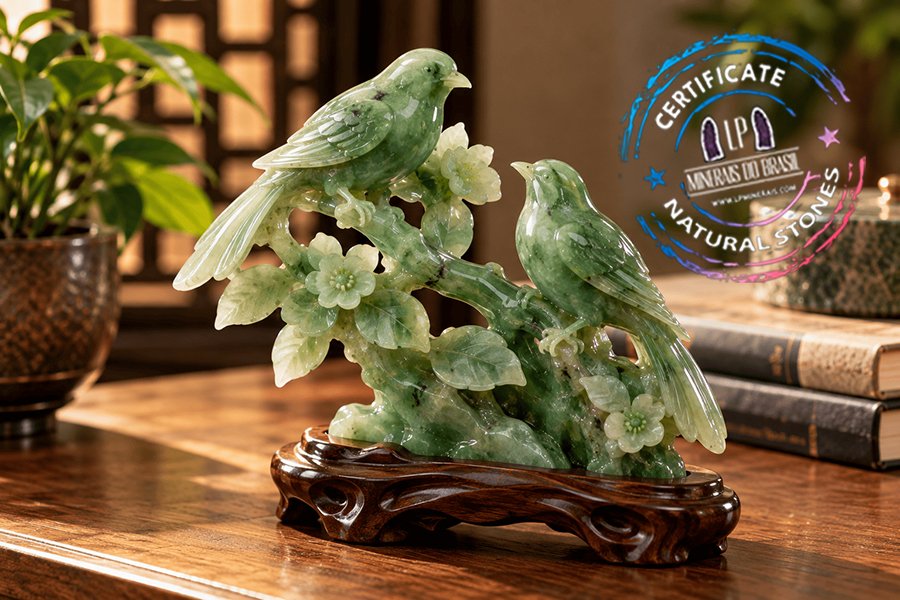
- Cut sculptures;
- Therapeutic environments;
- Ornamental pieces.
Demand for natural specimens of known origin has increased significantly as consumers seek authentic, carefully selected minerals.
Geological Origin and Mineralogical Formation
Natural Green Quartz forms in geological environments rich in silica, especially in hydrothermal and pegmatitic systems. During its crystallization, the presence of associated minerals can influence its final color, giving rise to the green hues that characterize this variety.
Quartz formation occurs through geological processes that can take millions of years. Silica-rich solutions penetrate fractures and cavities in the Earth’s crust, promoting the gradual growth of crystals.
Among the main locations where it is found are:
- Brazil
- India
- Madagascar
- Russia
- South Africa
Brazil plays a significant role in the production and trade of natural minerals and is internationally recognized for the diversity and quality of its mineral deposits.
Chemical Composition and Mineralogical Characteristics
From a scientific standpoint, Natural Green Quartz belongs to the silicate group.
Main Properties
- Chemical composition: SiO₂ (silicon dioxide)
- Mineral class: Silicates
- Crystal system: Trigonal
- Mohs hardness: 7
- Luster: Vitreous
- Transparency: Translucent to transparent
- Cleavage: Absent
- Fracture: Conchoidal
Its relatively high hardness makes it suitable for use in jewelry and decorative items intended for continuous use.
Natural Green Quartz and Green Aventurine: Understanding the Difference
One of the biggest questions in the mineral market concerns the relationship between Natural Green Quartz and Green Aventurine.
Although the names are often used interchangeably in certain markets, the classification may vary depending on the composition and inclusions present in the material.
In many cases, materials marketed as Green Quartz are actually Green Aventurine, a variety of quartz that contains microscopic inclusions capable of producing characteristic optical effects.
For this reason:
- Not all material sold as Green Quartz has the same mineralogical origin.
- Correct identification may require specialized analysis.
- The supplier’s provenance and transparency are essential.
This distinction is especially important for collectors, exporters, and buyers who value mineralogical accuracy.
Traditional Meaning of Green Quartz
In crystal healing traditions, Green Quartz is often associated with renewal, personal growth, and emotional balance. Its color, naturally linked to vegetation and the cycles of nature, contributes to this symbolism.
It is important to note that these associations belong to the realm of cultural and spiritual traditions and do not constitute scientifically proven properties.
Traditionally, the stone is used by people seeking to create more harmonious environments or to strengthen processes of change and personal development.
Its green hue also lends itself to symbolic associations with vitality, hope, and renewal.
Energy, Symbolism, and Spiritual Applications
Within holistic practices, Natural Green Quartz is often described as a stone associated with emotional regeneration and reconnection with natural processes of growth.
Its symbolism is often linked to the idea of balance between emotions and reason, encouraging a more serene perspective when facing everyday challenges. In meditation settings, it is commonly used by people who wish to create an atmosphere of tranquility and warmth.
Traditionally, it is associated with:
- Emotional renewal;
- Personal growth;
- Inner harmony;
- Hope;
- Vitality;
- Connection with nature;
- Energetic balance.
Many people also use Green Quartz in offices, reception areas, relaxation spaces, and residential settings because of its strong visual and symbolic appeal.
Use in Decor and Space Harmonization
The green hue of Natural Green Quartz makes it ideal for decorative projects inspired by nature and well-being.
Its elegant appearance allows it to blend seamlessly with various architectural styles, from contemporary settings to more rustic and organic designs.
Notable decorative applications include:
- Living rooms;
- Offices;
- Clinics;
- Therapeutic spaces;
- Corporate environments;
- Reception areas and showrooms.
In addition to its aesthetic value, many enthusiasts appreciate the symbolic meaning traditionally associated with the stone.
Natural Green Quartz in Jewelry
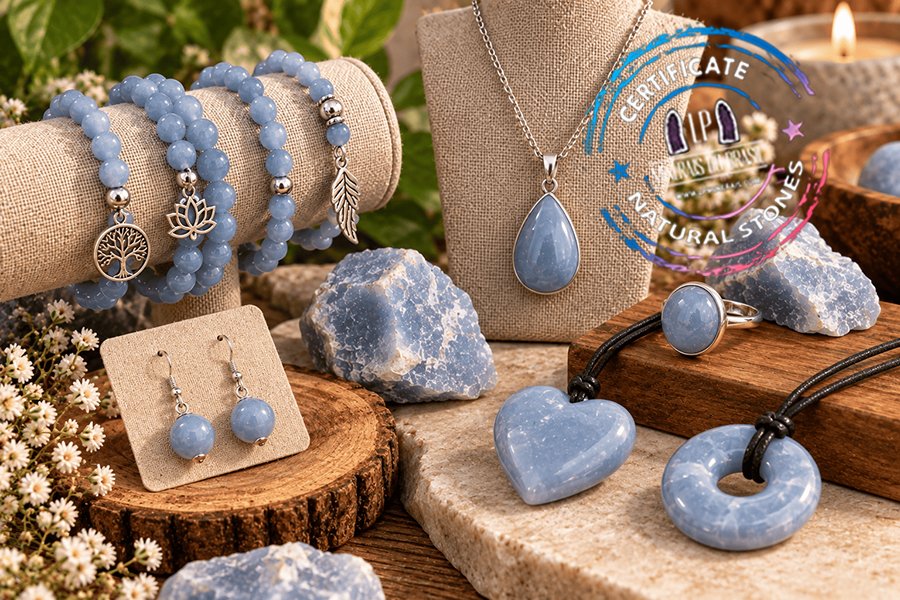
The durability and beauty of Natural Green Quartz make this mineral an attractive option for jewelry and accessories.
Pieces crafted from this variety of quartz typically have an elegant and timeless appearance, allowing for combinations with various precious metals.
Common applications include:
- Pendants;
- Rings;
- Earrings;
- Bracelets;
- Necklaces;
- Designer jewelry.
Its soft color adds to a sophisticated and versatile look.
Mineral Market, Collectibility, and Market Value
The commercial value of Natural Green Quartz depends on factors such as:
- Color intensity;
- Transparency;
- Size;
- Origin;
- Quality of cut;
- Condition.
Higher-quality specimens tend to attract interest from:
- Collectors;
- Jewelry designers;
- Architects;
- Interior designers;
- Specialty retailers;
- Mineral exporters.
The growing emphasis on ethical sourcing and mineral traceability underscores the importance of supply chains aligned with Fair Trade principles and economic and environmental sustainability.
🗺 LP MINERAIS Technical Section ⛏💎📦🗺
🗺 » ORIGIN – Brazil, India, Madagascar, Russia, and South Africa.
⚛️ » CHEMICAL COMPOSITION – SiO₂ (Silicon Dioxide).
🔩 » MOHS SCALE – 7.
🔢 » NUMEROLOGY – There is no mineralogical or scientific consensus on a specific numerological meaning.
🔅 » MEANING – Traditionally associated with renewal, personal growth, and balance.
🅰️ » SUMMARY – A green variety of quartz prized for its natural beauty and ornamental uses.
✅ » SPECIFICATION – A silicate belonging to the quartz group.
🧩 » STATE – Natural mineral.
⚒ » FORMATION – Silica-rich hydrothermal and pegmatitic processes.
⚠️ » CARE – Avoid impacts and improper storage.
🛁 » CLEANING – Running water and a soft cloth.
🎨 » COLOR – Light green to deep green.
☯️ » ZODIAC – There is no universally recognized consensus.
🪐 » SOLAR SYSTEM – There is no formal astronomical or scientific association.
➰ » CHAKRAS – Often associated with the heart chakra in holistic traditions.
♻ » ELEMENT – There is no widely established consensus among different schools of thought.
💎 » RARITY – Less common than clear quartz, but not considered extremely rare.
🗳 » CHARACTERISTIC – Natural green color and strong decorative appeal.
FAQ – Frequently Asked Questions About Natural Green Quartz
Is Natural Green Quartz the same as Green Aventurine?
Not always. Depending on the material and the classification used, there may be significant mineralogical differences.
How can you tell if Green Quartz is genuine?
The most reliable way to identify it is through gemological analysis and by purchasing from specialized suppliers.
Is Green Quartz rare?
It is less common than some traditional varieties of quartz, but it is not considered an extremely rare mineral.
What is green quartz used for?
It is used in jewelry, home decor, collecting, and, traditionally, in practices aimed at emotional balance.
Can green quartz get wet?
Yes. Under normal conditions, the mineral is quite stable when in contact with water.
What is the main characteristic of Green Quartz?
Its natural green color and its symbolic association with renewal and growth.
Can Green Quartz be used in professional settings?
Yes. It is frequently used in offices, clinics, reception areas, and corporate spaces.
Does Brazil produce natural Green Quartz?
Yes. Brazil has significant mineral deposits and participates in the international market for natural crystals and minerals.
Conclusion
Natural Green Quartz combines geological significance, ornamental value, and strong traditional symbolism. Its color, inspired by natural elements, evokes associations with renewal, balance, and growth, while its mineralogical characteristics ensure it holds a prominent place in the mineral, jewelry, and decorative markets.
For collectors, professionals in the mineral sector, and enthusiasts of natural crystals, understanding the difference between Natural Green Quartz and Green Aventurine is essential to ensuring authenticity and technical accuracy. In a market increasingly focused on provenance and transparency, knowledge remains one of the greatest differentiators.
By: Doris S. Rosa