



Sodalite is one of the most well-known minerals in the world of crystals due to its deep association with mental clarity, emotional balance, and the expansion of rational consciousness. With its intense shades of blue interwoven with white veins of calcite, this stone has gained prominence not only in jewelry and mineral collecting but also in meditation settings, sophisticated interior design, and energy practices focused on concentration and conscious communication.
Far beyond its striking aesthetics, Sodalite holds real mineralogical significance within the feldspathoid group, being extensively studied by geologists, gem cutters, and collectors due to its chemical composition and crystalline structure. Traditionally, it is also associated with the search for inner truth, emotional rationality, and the strengthening of balanced intuition—characteristics frequently mentioned in studies and classical literature on crystal therapy.
At LP MINERAIS ⛏💎📦🗺, Sodalite represents the union of natural beauty, mineral authenticity, and the ethical sourcing of selected natural stones. Its uses range from premium decorative applications to designer jewelry pieces and mineralogical collections of high aesthetic value.
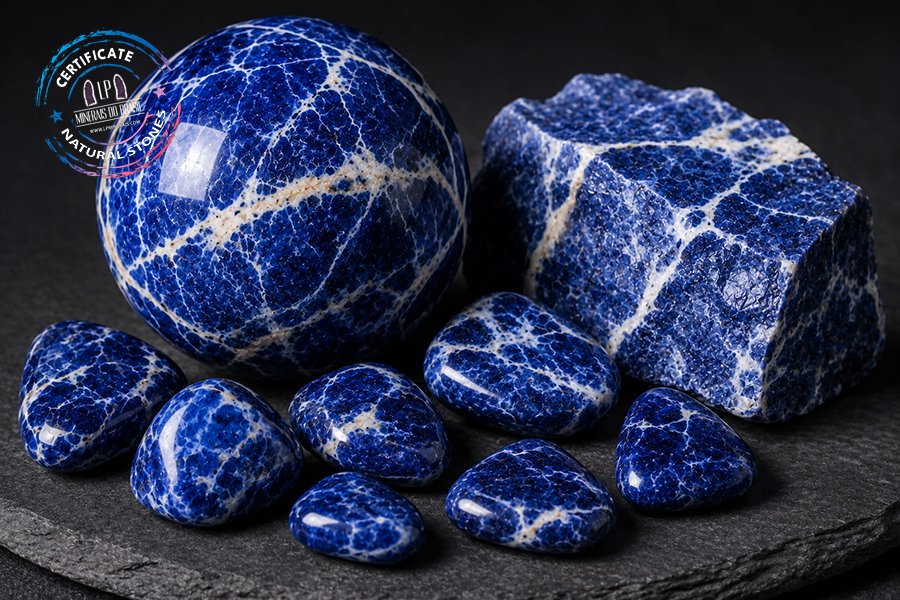
What is Sodalite?
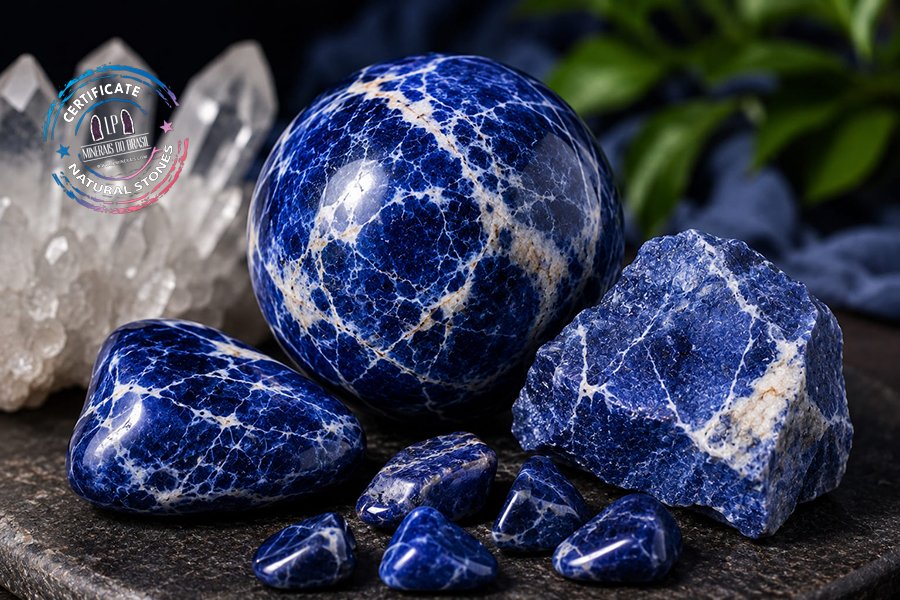
Sodalite is a tectosilicate mineral belonging to the feldspathoid group, composed primarily of sodium and aluminum silicate with the presence of chlorine. Its intense blue color is the result of specific chemical processes during its geological formation and can vary from royal blue to deep blue, bluish-gray, and whitish tones.
This mineral is often confused with Lapis Lazuli due to their similar hues, but there are important mineralogical differences between the two. While Lapis Lazuli contains lazurite and often golden pyrite inclusions, Sodalite has a more homogeneous appearance, typically marked by traditional white veins of calcite.
The stone gained international notoriety mainly after large deposits were discovered in Canada in the 19th century. Since then, it has been widely used in sculptures, ornamental objects, cut pieces, and contemporary jewelry.
Among the main factors that make sodalite so highly valued are:
- naturally intense color
- good cutability
- sophisticated visual appeal
- versatile applications
- strong traditional energetic appeal
- high demand in the crystal market
Beyond the esoteric sector, sodalite also holds commercial importance in the premium mineral decor segment, particularly in corporate environments, creative offices, and meditation spaces.
Geological Formation and Mineralogical Characteristics of Sodalite
Sodalite forms primarily in alkaline igneous rocks, particularly in environments rich in sodium and poor in silica. It is often found associated with minerals such as nepheline, calcite, cancrinite, and alkali feldspars.
From a geological perspective, it is a relatively rare mineral compared to common quartz, although significant deposits are found in specific regions of the world. Canada remains a global leader in the extraction of high-quality sodalite, but Brazil also has significant deposits.
Its crystal structure belongs to the cubic system, although perfectly formed crystals are uncommon in nature. Most often, sodalite appears in compact masses used for cutting and ornamentation.
Main mineralogical properties
- Mineral class: tectosilicate
- Chemical composition: Na₈(Al₆Si₆O₂₄)Cl₂
- Crystal system: cubic
- Mohs hardness: between 5.5 and 6
- Transparency: translucent to opaque
- Luster: vitreous
- Fracture: irregular
- Cleavage: imperfect
Its moderate hardness makes it suitable for use in:
- pendants
- sculptures
- beads
- cabochons
- decorative objects
- collectibles
Although durable, sodalite requires certain care to preserve its luster and integrity over time.
The Energy Traditionally Associated with Sodalite
Within modern crystal therapy traditions, sodalite is often associated with emotional rationality, mental expansion, and the strengthening of authentic communication. Unlike stones linked exclusively to intense protection or grounding, sodalite is typically associated with the balance between logic and intuition.
Traditionally, it is used by people seeking:
- mental clarity
- intellectual focus
- reduction of emotional confusion
- strengthening of communicative self-confidence
- balanced intuitive development
Various spiritual traditions describe Sodalite as a stone linked to the conscious awakening of the mind, fostering moments of study, meditation, writing, planning, and rational introspection.
Its energetic symbolism is also often associated with emotional honesty. For this reason, it is frequently used in professional settings, offices, and creative spaces where clear communication and strategic thinking are important.
Contrary to exaggerated claims found in superficial content, there is no scientific evidence of direct therapeutic effects of crystals on physical or psychological health. The energetic interpretations of Sodalite belong to the symbolic, spiritual, and traditional realm of crystal therapy.
Traditional energetic associations of Sodalite
- Chakra: Throat and Third Eye
- Element: Air
- Associated Planet: Moon
- Zodiac signs often associated with it:
- Sagittarius
- Aquarius
- Virgo
- Favorable emotional states:
- clarity
- focus
- mental serenity
- conscious expression
- emotional balance
Sodalite in Decor, Jewelry, and Collectibles
Sodalite’s striking aesthetic makes it highly prized in decorative applications and contemporary jewelry. Its natural combination of deep blue and light veins produces a sophisticated look that suits both modern and classic settings.
In mineral decor, it is common to find:
- sculptures
- polished spheres
- obelisks
- ornamental plaques
- cut cubes
- pieces for harmonizing spaces
In offices and creative environments, sodalite is often chosen for its ability to visually convey serenity, depth, and intellectual sophistication.
In the jewelry market, the stone is mainly found in:
- rings
- pendants
- bracelets
- handcrafted earrings
- designer jewelry
Because it has medium hardness, sodalite is not recommended for constant impact or extremely rough use without proper protection.
In mineral collecting, specimens with a uniform, intense blue color tend to command higher market value, especially when they are well-polished and have few fractures.
How to Identify Genuine Sodalite
The authenticity of sodalite is an important issue, mainly due to the existence of synthetic imitations or dyed stones that are marketed incorrectly.
Natural sodalite typically features:
- deep blue that is not entirely uniform
- natural white veins
- small internal variations
- a cool, mineral feel to the touch
- moderate vitreous luster
Imitations may feature:
- an excessively uniform artificial color
- very saturated hue
- plastic-like appearance
- complete absence of natural mineral texture
Another important point is the distinction between Sodalite and Lapis Lazuli. Although visually similar, Lapis Lazuli typically features golden pyrite inclusions and a different mineral composition.
At LP MINERAIS ⛏💎📦🗺, valuing ethical sourcing and mineral authenticity is part of our commitment to responsible supply and premium selection of natural minerals.
How to Clean and Care for Sodalite
Sodalite requires relatively simple care, but it is important to maintain its appearance over time.
Because it has moderate hardness and a composition sensitive to harsh chemicals, it is recommended to avoid:
- prolonged exposure to intense sunlight
- contact with abrasive products
- drops and impacts
- harsh chemical cleaning
Recommended physical cleaning methods
- soft, slightly damp cloth
- running water
- immediate air drying
Traditionally used energy cleansing
Within spiritual practices, the following are commonly used:
- gentle smudging
- selenite
- vibrational sound
- indirect moonlight
Prolonged use of salt water is often avoided due to the stone’s mineral composition.
🧭 LP MINERALS Technical Sheet ⛏💎📦🗺
🗺 » ORIGIN
Brazil, Canada, Russia, Namibia, and Greenland
⚛️ » CHEMICAL COMPOSITION – Na₈(Al₆Si₆O₂₄)Cl₂
🔩 » MOHS SCALE – 5.5 to 6
🔢 » NUMEROLOGY – Traditionally associated with the number 4
🔅 » MEANING – Mental clarity, inner truth, and rational balance
🅰️ » SUMMARY – Blue mineral associated with conscious communication and mental focus
✅ » SPECIFICATION – Tectosilicate of the feldspathoid group
🧩 » STATE – Natural, translucent to opaque
⚒ » FORMATION – Alkaline igneous rocks
⚠️ » CARE – Avoid strong impacts and chemicals
🛁 » CLEANING – Damp cloth, smudging, and indirect moonlight
🎨 » COLOR – Royal blue, deep blue, bluish gray, and white
☯️ » ZODIAC – Aquarius, Sagittarius, and Virgo
🪐 » SOLAR SYSTEM – Moon
➰ » CHAKRAS – Throat and Third Eye
♻ » ELEMENT – Air
💎 » RARITY – Moderate
🗳 » CHARACTERISTIC – Sophisticated appearance and strong symbolic association with intellect and intuition
FAQ — Frequently Asked Questions About Sodalite
Is sodalite a natural stone?
Yes. Sodalite is a natural mineral formed in specific geological environments rich in sodium and aluminum.
What is the difference between Sodalite and Lapis Lazuli?
Although visually similar, they have different compositions. Lapis Lazuli usually contains golden pyrite, while Sodalite features white veins of calcite.
Can sodalite get wet?
It can have brief contact with clean water, but it is not recommended to leave it submerged for extended periods.
What is sodalite traditionally used for?
It is often associated with mental clarity, balanced communication, and intellectual focus within crystal therapy practices.
Is sodalite rare?
It is not considered extremely rare, but specimens with intense blue color and high quality are more highly valued in the mineral market.
Can you use Sodalite at work?
Yes. Many people use the stone in offices and professional settings because of its symbolic association with focus, logic, and communication.
How can you tell if sodalite is real?
Look for natural veins, internal variations, and authentic mineral texture. Excessively uniform stones may indicate imitation or dyeing.
Is sodalite used in jewelry?
Yes. It is widely used in pendants, bracelets, earrings, and handmade jewelry due to its intense coloration.
Conclusion
Sodalite remains one of the most admired blue stones, both for its mineralogy and for the symbolic universe of crystals. Its sophisticated appearance, combined with its strong traditional association with mental clarity and inner truth, makes it a relevant choice for collectors, jewelers, interior designers, and lovers of natural minerals.
In addition to its interpretive energetic value within crystal therapy, sodalite possesses real geological significance, broad commercial application, and a well-established presence in the international market for decorative and cut minerals.
At LP MINERAIS ⛏💎📦🗺, minerals like Sodalite represent not only natural beauty, but also authenticity, ethical sourcing, and appreciation for the mineral wealth found in Brazil 🇧🇷 and on the global market.
By Doris S. Rosa
Carnelian: origin, formation, mineralogy, and the vibrant energy of a stone linked to action.
Fluorite: Mineralogy, Formation, Colors, and Meaning of a Mineral that Organizes Light and Color
Red Jasper: Mineralogy, Vitality, and the Ancestral Strength of an Earth-Connected Stone
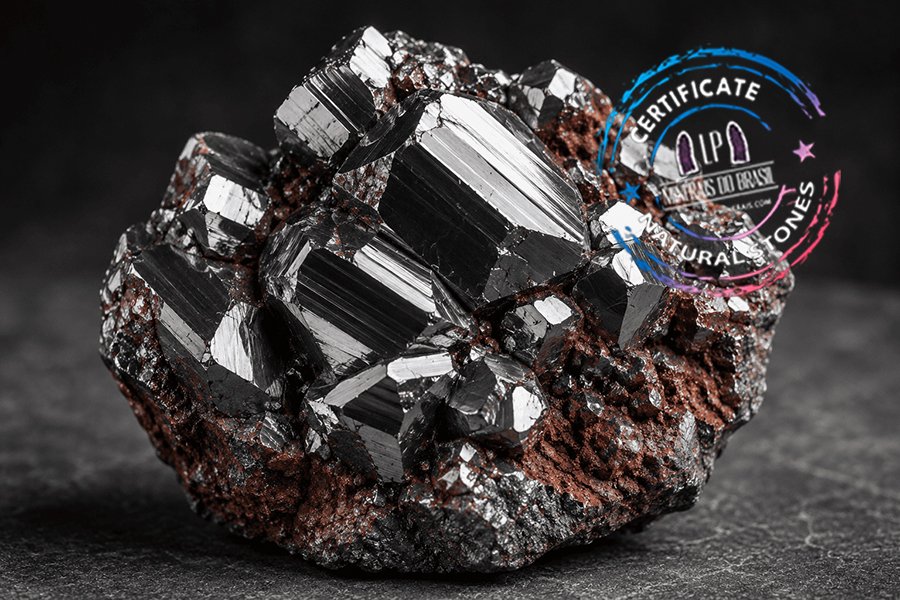
Hematite: The Strength of Iron, Grounding, and the Presence That Comes from the Earth
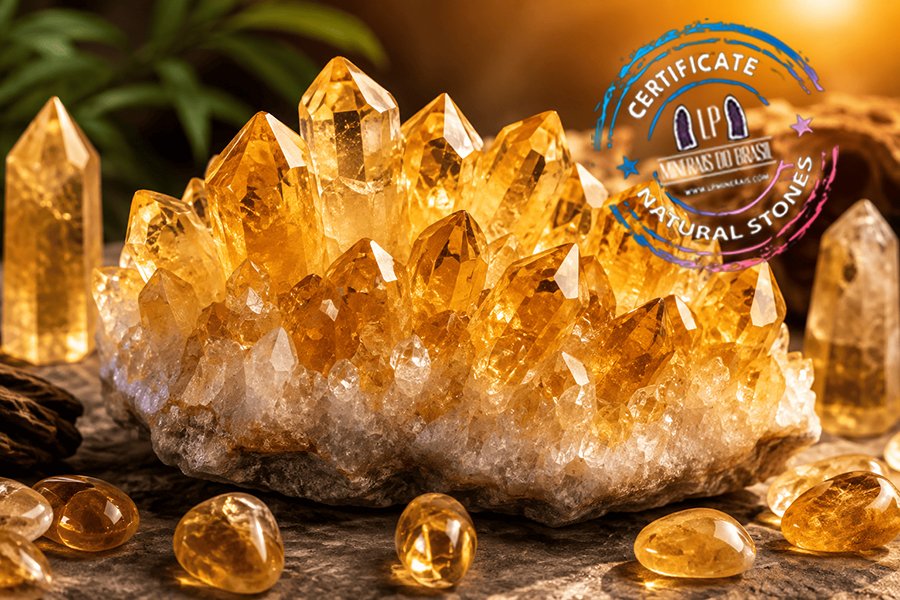
Citrine: Between the Light of Quartz, Prosperity, and the Power of Solar Energy
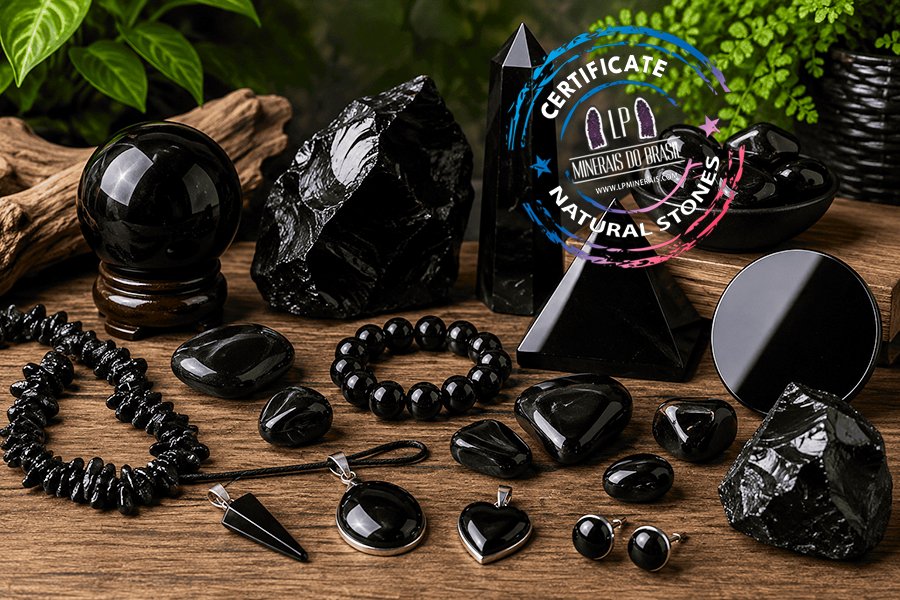
Black Obsidian: The Stone of Protection, Grounding, and Inner Truth

Selenite: The Stone of Purity, Light, and Serenity

Orange Calcite: The Stone of Joy, Creativity, and Renewal

Carnelian: The Stone of Vitality, History, and Inner Strength

Fluorite: The Stone of Mental Clarity, Natural Geometry, and Mineralogical Diversity