



Few stones have spanned so many centuries while embodying such a powerful combination of beauty, prestige, spirituality, and cultural value as jade. Long before it graced jewelry store display cases and contemporary collections, it was already being fashioned into ornaments, ceremonial objects, sculptures, and symbols of social status by various civilizations.
Its fame is so ancient that, in some Asian cultures—especially in China—jade has transcended the notion of being merely an ornamental material. It has become a symbol of virtue, longevity, wisdom, and prosperity. In Mesoamerica, jade-like materials also held enormous importance among peoples such as the Maya and the Olmecs.
But there is something that surprises many people: jade does not refer to just one mineral.
Two mineralogically distinct stones can both be correctly referred to as jade: jadeite and nephrite.
Understanding this difference is essential to grasping authenticity, provenance, and—most importantly—why certain pieces command extraordinary prices while others are much more affordable.
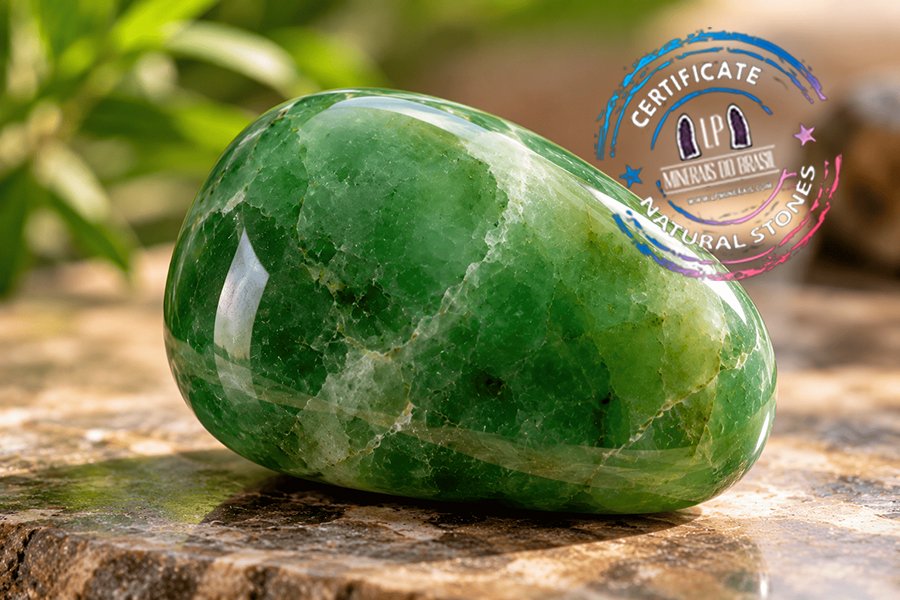
Jadeite and nephrite: two minerals, one shared history
For a long time, different materials known as jade were treated as if they were the same substance. Modern mineralogy has shown, however, that there are two main categories.
Jadeite is a mineral in the pyroxene group, with the basic composition NaAlSi₂O₆. It can occur in green, white, lavender, and other shades. Among its most highly valued specimens is the intense green, fine-grained, and partially translucent material known in the market as Imperial Jade.
Nephrite, on the other hand, is formed by fibrous aggregates of minerals from the amphibole group, primarily from the tremolite-actinolite series. Although it has a slightly lower hardness, its interwoven structure provides extraordinary toughness.
This strength helps explain why jade has historically been used for sculptures and intricately carved objects.
Therefore, it is incorrect to say that “jadeite is real and nephrite is fake.” Both are genuine jade, although they are mineralogically distinct and have different markets, origins, and values.
Jade Isn’t Just Green
The most common image of jade is certainly green, but its natural color palette is much broader.
Jadeite can be white, various shades of green, lavender, yellow, orange, and other variations. Nephrite also comes in different shades, often green, cream, white, or brownish.
In the market, color is just one of the factors used in valuation. Transparency, texture, uniformity, the presence of fractures, cut quality, treatment, and origin also strongly influence value.
This explains why two visually “green” bracelets can belong to completely different commercial categories.
In high-quality jade, especially fine jadeite, a combination of attractive color, good translucency, and uniform texture can considerably increase the piece’s value.
What does “Imperial Jade” mean?
This is where the world of jade becomes even more fascinating.
So-called “Imperial Jade” is associated with jadeite of exceptional quality, traditionally characterized by a vivid and desirable green color, good translucency, and a fine texture. It does not simply mean “any dark-green jade.”
Superior specimens can command extremely high prices on the international gem and jewelry market.
Therefore, when terms such as “imperial,” “premium,” or other classifications appear in commerce, it is important to assess whether they truly correspond to the gemological characteristics of the piece. Sophisticated terms, on their own, do not transform an ordinary material into high-quality jade.
The higher the value involved, the more important it is to have a professional identification, accompanied, when applicable, by reliable gemological documentation.
When “Jade” Isn’t Jade
Perhaps no other point is as important for those who buy gemstones, jewelry, or decorative objects.
Over time, various green materials have been given commercial names containing the word “jade.” This can lead consumers to believe there is some mineralogical connection when, in reality, they are completely different stones.
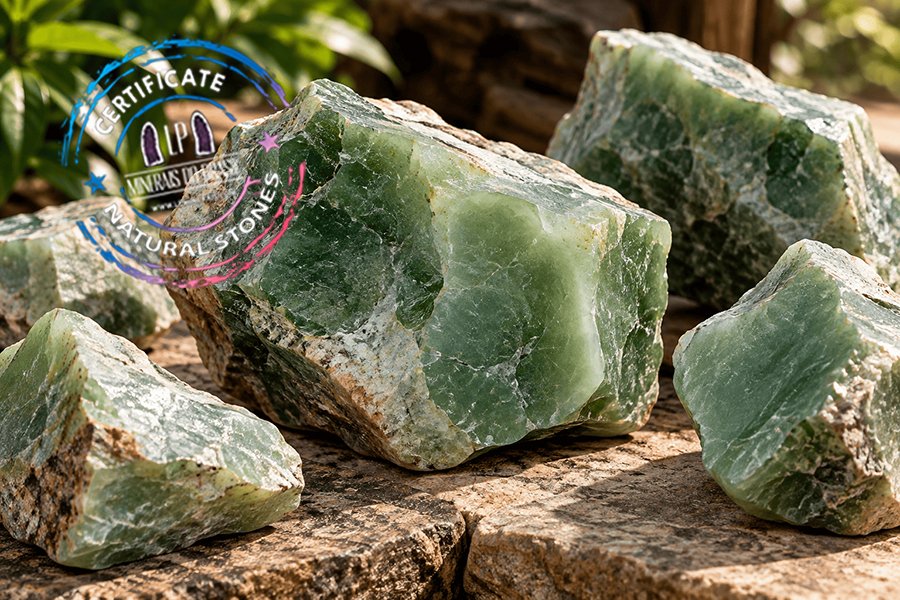
Serpentine, quartz, calcite, and other materials may appear on the market under names that evoke jade. Some are beautiful and perfectly legitimate natural minerals—the problem arises when the trade name creates a false impression about their identity.
There are also dyed materials and imitations.
Therefore, the color green does not authenticate jade. Home tests found online are also no substitute for a proper analysis. For pieces of significant value, gemological identification is the safest choice.
For the professional mineral trade, transparency regarding identity, treatment, and provenance is not a minor detail: it is an essential part of a responsible business relationship.
A stone associated with prosperity for centuries
Jade’s energetic dimension did not arise solely from contemporary trends in the world of crystals. Its symbolism is deeply rooted in the ways different cultures have valued this stone throughout history.
In modern crystal therapy, green jade in particular is often associated with prosperity, harmony, wisdom, and good fortune. There is, however, a more interesting interpretation behind the simple idea of “attracting money.”
Jade represents prosperity built on balance.
Its symbolism is linked to the ability to recognize what has value, make decisions with serenity, and cultivate lasting growth. For this reason, it is often associated not only with material wealth but also with emotional abundance, balanced relationships, and stability.
It is a symbolic energy very different from the idea of quick gains or instant luck. The archetype of jade is closer to prosperity that matures and endures.
These interpretations are drawn from spiritual and crystal healing traditions and do not constitute scientific findings or medical treatments.
Jade, the Heart, and Emotional Balance
Green Jade is traditionally associated with the heart chakra, a connection that greatly expands its symbolism.
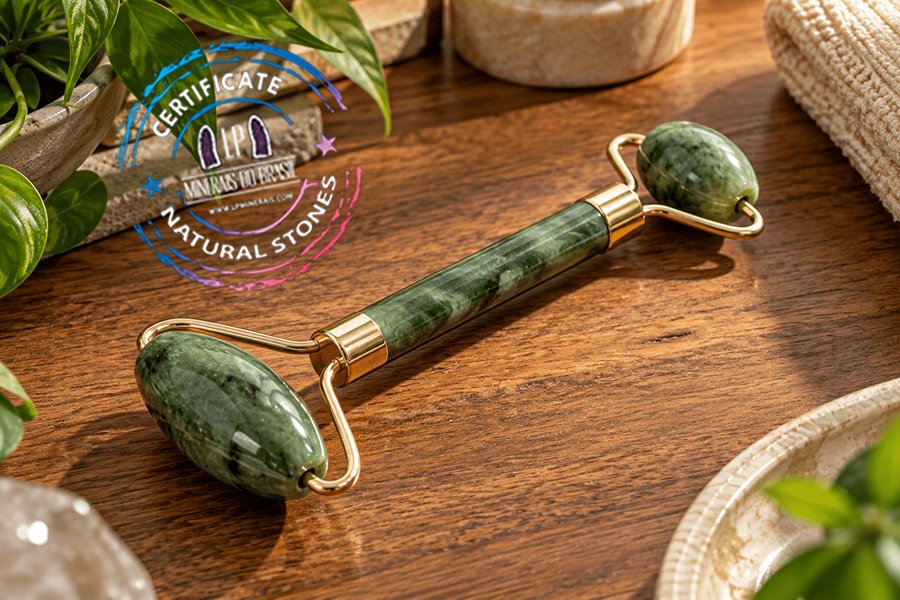
In this context, it is used in practices focused on emotional harmony, serenity, and balance between what we desire and what truly serves our well-being. Some traditions also link it to the ability to let go of resentments and cultivate more peaceful relationships.
It is precisely this combination that makes jade unique: the heart and prosperity are embodied in the same stone.
For meditation, a polished piece can be held during breathing exercises or placed near the meditation space. On altars and in spaces for contemplation, it can represent growth, gratitude, and stability.
It can also be symbolically combined with other stones. With pyrite, it forms a combination traditionally associated with prosperity and material fulfillment. With rose quartz, it directs intention toward emotional harmony. With green aventurine, it symbolically reinforces themes of growth and opportunity.
Jade at Work, at Home, and in Decor
Jade has a special advantage: its decorative presence works even for those who do not use crystals energetically.
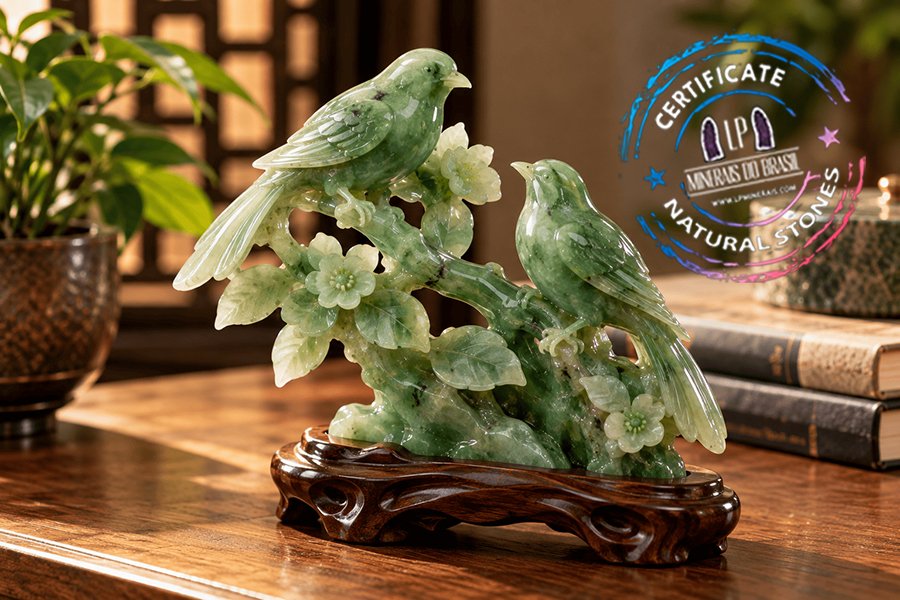
Sculptures, spheres, polished pieces, and carved objects can be incorporated into living rooms, offices, reception areas, and sophisticated settings. Its long tradition as an ornamental material gives it a decorative language all its own.
For those who follow energy practices, offices and professional spaces are particularly interesting areas. A piece of jade can symbolically represent responsible prosperity, stability, and sound decision-making.
At home, some people prefer to use jade in living areas because of its traditional association with harmony. Carved objects also carry an important cultural dimension, especially when produced within specific artisanal traditions.
Jade Jewelry: Beauty That Requires Knowledge
Bracelets, bangles, beads, pendants, earrings, rings, and cabochons are among the most well-known applications.
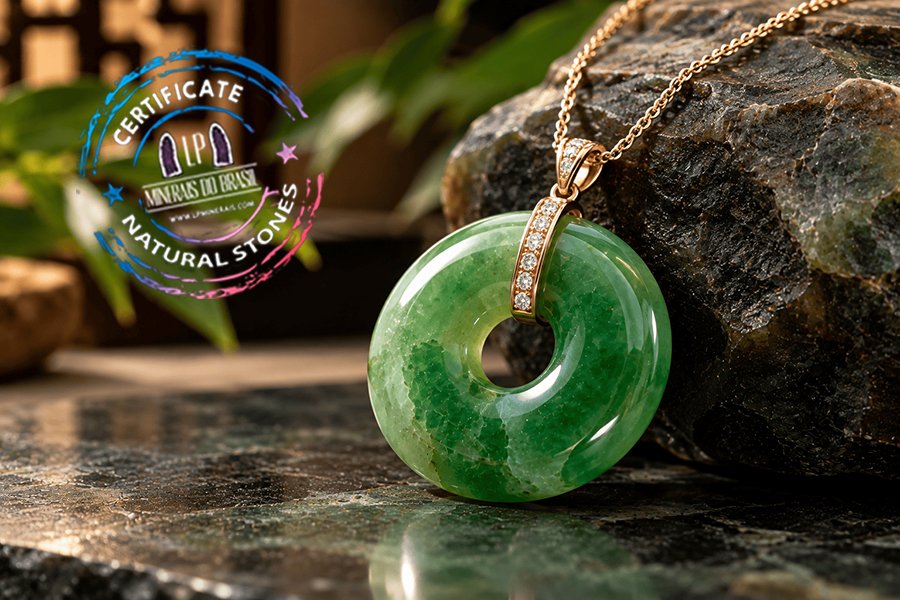
Jadeite has a hardness of approximately 6.5 to 7 on the Mohs scale, while nephrite typically ranges from 6 to 6.5. However, hardness alone does not tell the whole story: jade’s excellent toughness is one of its most notable characteristics.
In the jewelry market, treatments also warrant attention. Certain jadeites may undergo processes designed to improve their appearance, color, or transparency. In professional transactions, these treatments must be properly disclosed.
A high-quality natural piece, without significant treatments, falls into a very different category from heavily treated material or an imitation.
How to Care for Jade?
Despite its well-known durability, jade requires care.
Avoid unnecessary impacts, harsh chemicals, and sudden temperature changes. Jewelry can be gently cleaned according to the specific characteristics of the piece, taking into account metals, wires, adhesives, and other components.
For energy-related practices, gentle methods are sufficient. There is no need to subject the stone to aggressive procedures to perform a symbolic cleansing.
The best care begins, once again, with knowing exactly what material you’re working with.
LP MINERALS Table ⛏💎📦🗺
🗺 » ORIGIN: Significant jade deposits are known in various regions of Asia, the Americas, and other locations
⚛️ » CHEMICAL COMPOSITION: Jadeite — NaAlSi₂O₆; Nephrite — aggregates of the tremolite-actinolite series
🔩 » MOHS SCALE: Jadeite approximately 6.5–7; Nephrite approximately 6–6.5
🔢 » NUMEROLOGY: traditionally associated with the number 11
🔅 » MEANING: wisdom, prosperity, harmony, and good fortune
🅰️ » SUMMARY: A historic stone linked to abundance, balance, and lasting growth
✅ » SPECIFICATION: True jade can be jadeite or nephrite
🧩 » STATE: rough, polished, cut, carved, and used in jewelry
⚒ » FORMATION: associated with specific metamorphic processes and high-pressure geological conditions, which vary depending on whether it is jadeite or nephrite
⚠️ » CARE: Avoid severe impacts, chemicals, and excessive heat
🛁 » CLEANING: gentle physical cleaning; mild energetic methods according to personal practice
🎨 » COLOR: green, white, lavender, yellow, and other shades, depending on the material
☯️ » ZODIAC: traditionally associated especially with Taurus and Libra
🪐 » SOLAR SYSTEM: Venus
➰ » CHAKRAS: primarily the heart chakra for Green Jade
♻ » ELEMENT: Earth
💎 » RARITY: variable; common materials are affordable, while exceptional jadeite can be extremely rare and valuable
🗳 » CHARACTERISTICS: extraordinary toughness, cultural significance, and a long tradition of use in jewelry
Frequently Asked Questions About Jade
Are jadeite and nephrite true jade?
Yes. They are different minerals, but both are correctly recognized as jade.
Is all green jade Imperial Jade?
No. Imperial Jade is a designation reserved for jadeite of exceptional quality and should not be applied simply because a stone is a deep green.
How can you tell if jade is real?
Appearance alone is not enough to guarantee authenticity. Color, texture, and translucency provide clues, but high-value pieces should be appraised by a professional or a gemological laboratory.
Why are some jades so expensive?
The type of jade, color, translucency, texture, size, finish, treatments, rarity, and overall quality all influence the price. Exceptional jadeite can command prices far higher than those of common commercial materials.
What is jade used for in energy work?
Green jade is traditionally associated with prosperity, wisdom, harmony, serenity, and emotional balance. These associations are part of spiritual and crystal therapy practices.
Can jade be used in the workplace?
Yes. In addition to its decorative value, it is traditionally used as a symbol of prosperity, stability, and balanced decision-making in professional settings.
Can jade be used in jewelry?
Yes. It has been used for centuries in jewelry and carved objects. Its excellent toughness is particularly valued, although jewelry still requires proper care.
Much more than just a green stone
To understand jade is to discover that a seemingly simple word encompasses two minerals, thousands of years of history, and some of the world’s most sophisticated ornamental traditions.
It also means learning that value does not depend solely on color. A small piece of exceptional jadeite may occupy a completely different market segment than an object made from common nephrite—and both remain true jade.
Perhaps it is precisely this enduring quality that best represents its symbolism. Over generations, jade has come to be associated not only with wealth, but with what remains valuable over time: wisdom, balance, harmony, and prosperity built on solid foundations.
For LP MINERAIS ⛏💎📦🗺, this history reinforces the importance of combining beauty with knowledge. Accurate identification, provenance, commercial transparency, a responsible supply chain, and Fair Trade principles are essential to ensure that minerals intended for showrooms, collections, home decor, jewelry, or export are valued not only for their appearance but also for the history and authenticity they embody.
Doris S. Rosa
Howlite: what lies behind the Stone of Calm and Inner Silence?
Moonstone: the Stone of Intuition, Feminine Energy, and the Mysteries of the Moon.
Angelite: The Stone of Serenity, Intuition, and Spiritual Connection
Green Aventurine: the Stone of Prosperity, Opportunity, and New Paths
Orange Calcite: The Solar Energy That Awakens Creativity and Movement
Black Obsidian: origin, formation, properties, and meaning of one of the best-known protective stones.
Carnelian: origin, formation, mineralogy, and the vibrant energy of a stone linked to action.
Fluorite: Mineralogy, Formation, Colors, and Meaning of a Mineral that Organizes Light and Color
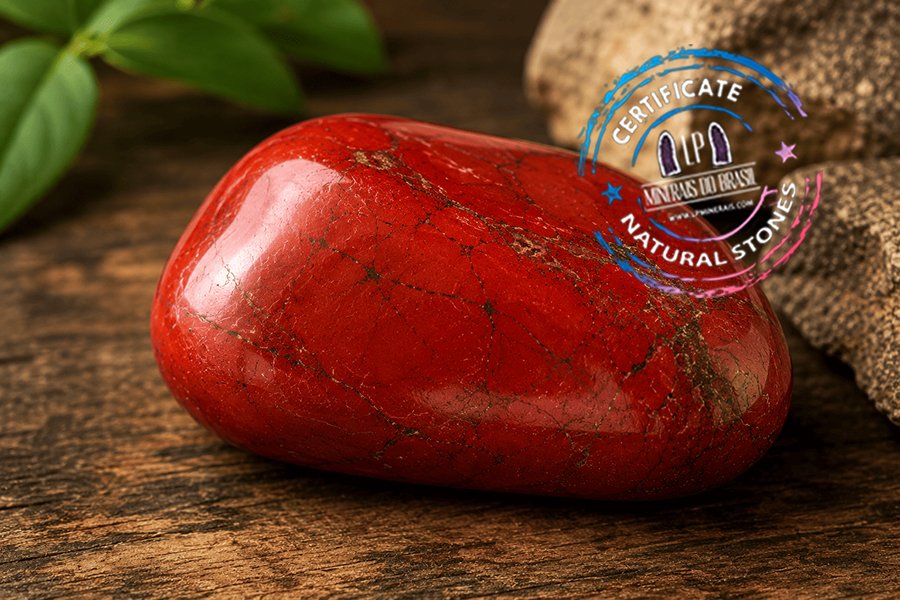
Red Jasper: Mineralogy, Vitality, and the Ancestral Strength of an Earth-Connected Stone
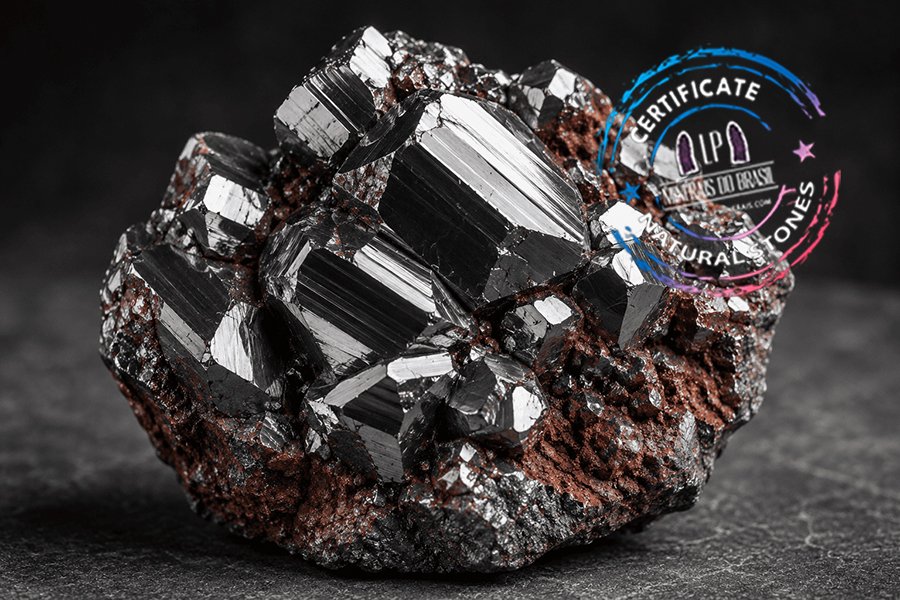
Hematite: The Strength of Iron, Grounding, and the Presence That Comes from the Earth