







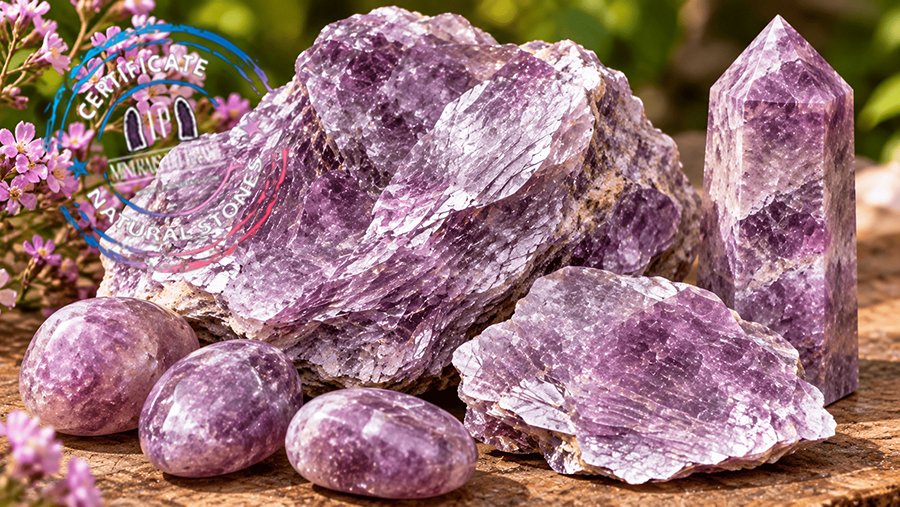
Lepidolite is one of the most well-known minerals among the lilac, pink-violet, and purple micas. Its delicate appearance, often marked by pearlescent sheen and lamellar surfaces, attracts interest in mineralogy, collecting, interior design, and holistic practices. Traditionally associated with serenity, emotional balance, and personal transformation, it also holds geological significance due to its connection to lithium-rich environments.
Although it is marketed as a single stone, the term “Lepidolite” requires scientific scrutiny. In modern mineralogy, the term is used primarily to designate lithium-bearing micas, especially materials close to the polylythionite–trilythionite series. Therefore, not every lilac-colored stone sold as “Lepidolite” has an identical chemical composition.
This distinction is particularly important for buyers, collectors, and professionals in the mineral industry. Correct identification involves structural characteristics, chemical composition, origin, and commercial presentation. Color alone is not sufficient to determine the mineral species.
In Brazil 🇧🇷, the presence of granitic pegmatites rich in rare elements favors the occurrence of lithium-bearing minerals, including lithium-bearing micas. Minas Gerais stands out in this context, especially for its mineralogical diversity and the historical significance of its pegmatite districts.
For LP MINERAIS ⛏💎📦🗺, understanding lepidolite means integrating science, appreciation of mineral heritage, commercial responsibility, and knowledge of the symbolic traditions associated with natural stones.
Geological Origin and Mineralogical Formation of Lepidolite
Lepidolite is primarily associated with evolved granitic pegmatites, formed during the final stages of crystallization of certain magmas. In these environments, residual fluids can concentrate elements such as lithium, rubidium, cesium, and fluorine, promoting the formation of minerals with relatively unusual compositions.
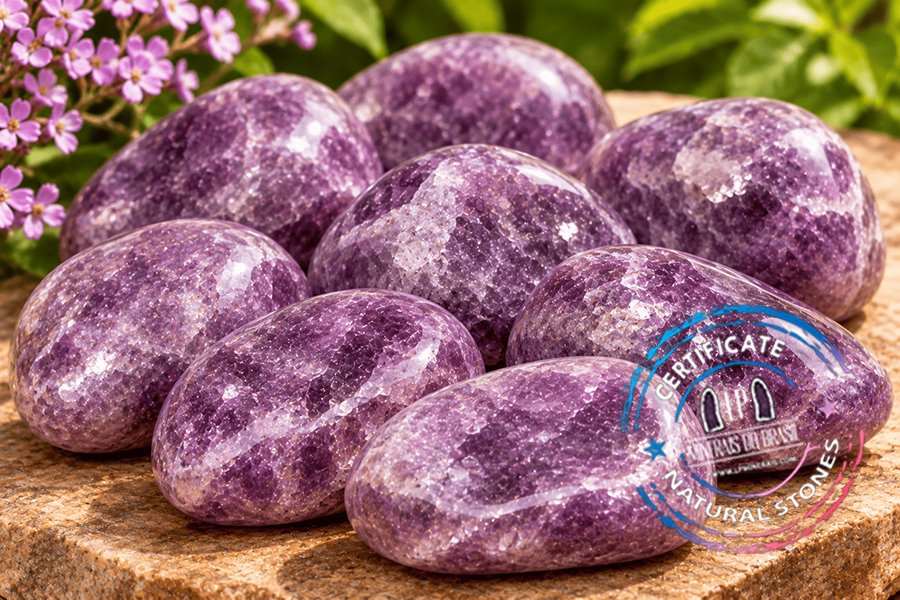
During the cooling and geochemical evolution of the system, elements incompatible with previously crystallized minerals remain concentrated in the residual phases. This enrichment can promote the formation of lithium-bearing micas, often accompanied by quartz, feldspars, tourmalines, and other minerals characteristic of specialized pegmatites.
Its crystalline structure consists of sheets of silicate tetrahedra associated with octahedral layers, a typical arrangement for micas. This architecture explains the perfect basal cleavage, which allows the mineral to split into thin, flexible sheets.
Where is Lepidolite found?
Occurrences of lithium-bearing micas are known in various regions of the world, including Brazil, Madagascar, the United States, the Czech Republic, and other countries with lithium-enriched pegmatites.
In Brazil, the pegmatites of Minas Gerais are of particular importance. However, the identification of a specific occurrence as Lepidolite must be based on mineralogical documentation, as different micas and mineral associations may exhibit similar colors.
Provenance influences collector and commercial interest, especially when the material features well-developed crystals, unusual mineralogical associations, or reliable information about the extraction site.
Chemical Composition, Mohs Hardness, and Crystal System
Lepidolite belongs to the mica group and has a variable composition, with a significant presence of lithium in certain structural positions. Related species include trilitionite and polylitionite, whose chemical formulas differ depending on the distribution of elements within the structure.
Trilitionite can be ideally represented by KLi₁,₅Al₁,₅(AlSi₃O₁₀)(F,OH)₂, while polylitionite has the ideal formula KLi₂AlSi₄O₁₀(F,OH)₂. Commercial materials may contain mixtures, chemical substitutions, and associations with other minerals.
Hardness generally ranges from approximately 2.5 to 4 on the Mohs scale, depending on the composition and characteristics of the material. This relative softness requires special care during handling and ornamental processing.
Lithiniferous micas have a monoclinic crystal structure, although certain structural characteristics may vary among species and polytypes.
Among their most notable properties are:
- A vitreous to pearly luster.
- Perfect basal cleavage.
- Lamellar, foliated, or aggregate habit.
- Lilac, pink, violet, grayish, or whitish color.
- Limited resistance to impact and abrasion.
These properties explain both its mineralogical interest and the limitations for certain commercial applications.
True Lepidolite: Authenticity and Differentiation
Determining the authenticity of lepidolite requires a more careful analysis than simply observing its color. Various lilac-colored materials may be marketed under similar names, including micaceous aggregates, mineral mixtures, and dyed stones.
The presence of a pearly luster and a lamellar structure is consistent with minerals of the mica group, but does not, on its own, determine the species. For conclusive identification, methods such as X-ray diffraction and instrumental chemical analysis may be necessary.
In the trade, it is also important to distinguish lepidolite from materials such as amethyst, fluorite, and certain varieties of quartz. Although they may share similar shades, they have different mineralogical properties.
Lepidolite is typically softer and may exhibit a micaceous texture, while amethyst has a hardness of 7 and the crystalline structure of quartz. Fluorite has a hardness of 4 and characteristic octahedral cleavage.
For higher-value purchases, documented provenance and professional identification are especially recommended.
Lepidolite in Jewelry, Decor, and Collectibles
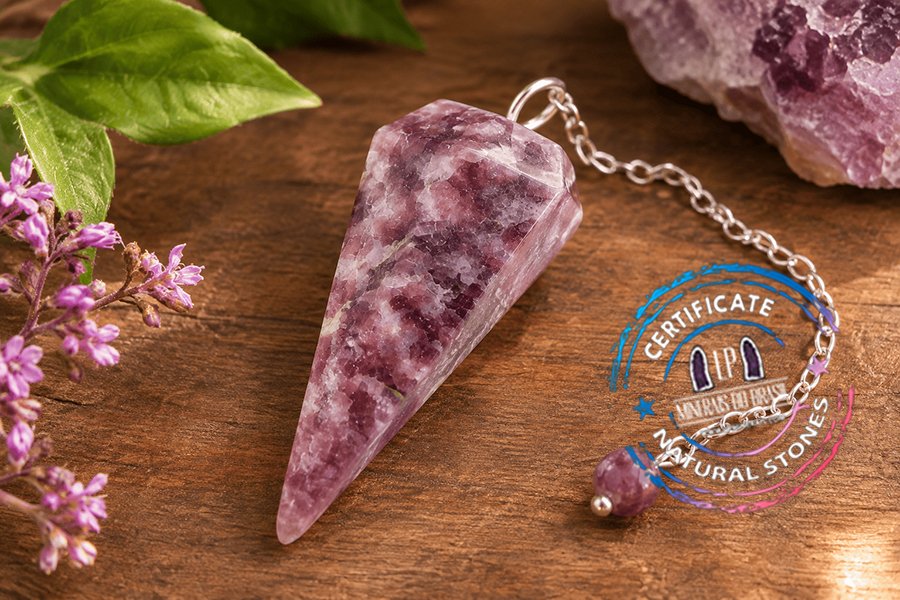
Lepidolite has great aesthetic appeal, but its low hardness and perfect cleavage limit its use in jewelry subject to frequent impact. For this reason, protected pendants, ornamental pieces, and accessories for occasional use may be more suitable than rings intended for daily wear.
In the decorative market, tumbled stones, sculptures, spheres, free-form pieces, and pieces mounted on bases are available. It is important to note that some products may contain mineral aggregates or stabilized materials, especially when the natural structure is fragile.
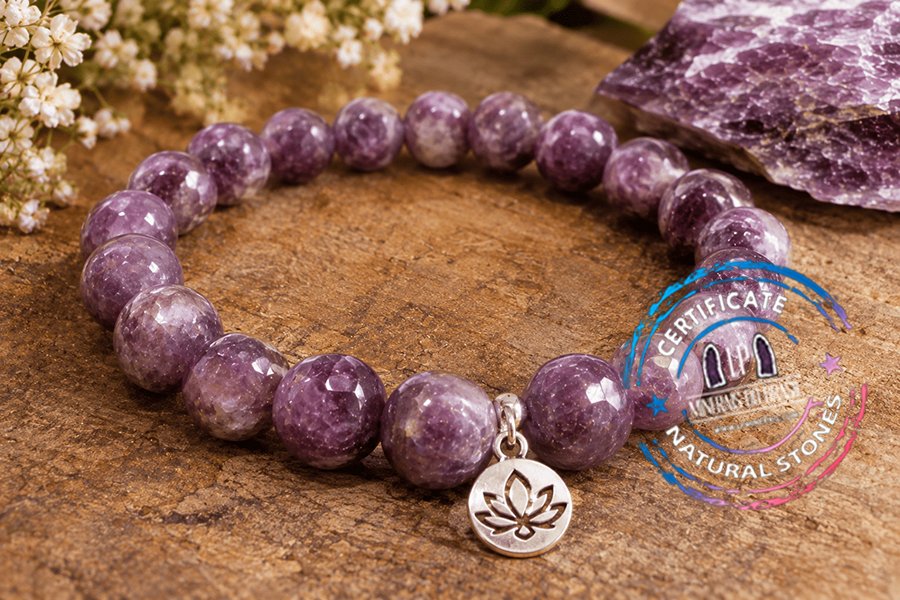
In the world of collecting, specimens with well-preserved lamellar crystals and interesting mineralogical associations attract special attention. Documentation of the locality can increase their scientific and commercial value.
The variety of presentations caters to different buyer profiles: collectors, decorators, designers, mineral dealers, and consumers interested in the spiritual symbolism of stones.
Market Value, Rarity, and Economic Importance
Lepidolite should not be generically classified as an extremely rare stone. Its availability varies depending on composition, locality, crystal quality, and commercial presentation.
Aggregates intended for decorative purposes may be relatively affordable, while higher-quality mineralogical specimens—with well-developed crystals and documented provenance—can command higher prices.
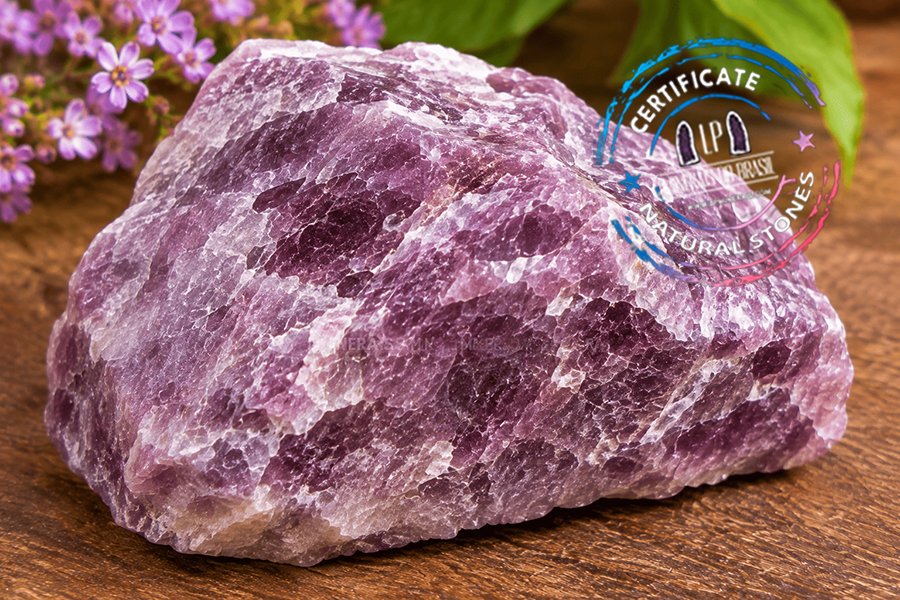
The presence of lithium also lends the material geological significance. However, it is important to distinguish the mineralogical interest of lithium-bearing micas from their viability as an industrial resource. Not every deposit meets the technical or economic conditions necessary for exploitation.
For the mining sector, responsible trade involves accurate identification, information on processing methods, traceability, and compliance with environmental and labor requirements.
In this context, the Fair Trade principles championed by LP MINERAIS contribute to a commercial approach based on transparency, valuing the origin of the material, and responsible relationships with suppliers.
Spiritual Meaning of Lepidolite: Serenity and Transformation
In crystal therapy traditions, Lepidolite is often described as a stone of serenity, transition, and emotional balance. Leading authors and reference works in the world of crystals, such as Judy Hall, Robert Simmons, and Naisha Ahsian, highlight symbolic associations related to tranquility, change, and inner integration.
Its lilac color lends itself to interpretations associated with introspection and contemplation. In holistic practices, it represents the possibility of undergoing transformations with greater awareness, embracing change without losing connection to the present.
The presence of lithium in its composition also frequently appears in spiritual narratives about the stone. However, there is no scientific evidence that holding or using Lepidolite produces pharmacological, psychological, or therapeutic effects related to lithium.
Its spiritual significance should be understood as a symbolic tradition, not as a medicinal property of the mineral.
Lepidolite and Emotional Balance
Lepidolite is traditionally associated with serenity and the acceptance of change. Its symbolism appears in reflective practices aimed at understanding emotions and developing a more mindful approach to challenging situations.
During times of personal transition, some people use the stone as an object of personal significance. Its presence can represent the intention to cultivate patience, set priorities, and set aside time for contemplation.
The archetype often associated with Lepidolite is that of peaceful transformation: recognizing that change is part of the human experience and that inner stability can be built through conscious choices.
These interpretations are not a substitute for psychological counseling, medical care, or other forms of support when needed.
Chakras, Zodiac, and Element Associated with Lepidolite
In energy traditions, Lepidolite is often associated with the heart chakra, the third eye, and the crown chakra. These associations seek to represent emotional acceptance, inner perception, and spiritual contemplation.
The heart chakra is symbolically interpreted as the center of compassion and emotional balance. The third eye is associated with introspection, while the crown chakra represents the search for meaning and spiritual connection.
As for the zodiac, some traditions associate Lepidolite with Libra, due to its symbolism of harmony. Other correspondences may apply depending on the esoteric school consulted.
Its symbolic element is often considered to be Water, due to its association with emotional fluidity, although there are also interpretations that emphasize Air.
These correspondences vary among authors and lack scientific standardization.
Lepidolite in Meditation and for Harmonizing Spaces
Lepidolite can be used as an object of contemplation in meditation practices. Its texture, color, and luster allow one to observe natural details while focusing attention on the breath and the present moment.
Some people place the stone in reading areas, on desks, or in spaces intended for rest. In these contexts, it can symbolize tranquility, emotional balance, and the intention to cultivate a welcoming atmosphere.
In symbolic practices, Lepidolite can also be combined with Amethyst, Rose Quartz, and Clear Quartz. These combinations seek to bring together traditional meanings of serenity, warmth, and clarity.
These combinations can produce interesting decorative arrangements, but there is no scientific evidence that they generate specific energetic effects.
Cleaning and Care for Lepidolite
Its lamellar structure and relative softness make Lepidolite sensitive to abrasion, impact, and improper handling. Cleaning should prioritize gentle methods, especially for rough specimens or fragile aggregates.
A soft, dry brush can be used to remove surface dust. Polished and stabilized pieces require attention to the supplier’s instructions, as certain products may contain resins, adhesives, or other materials.
It is recommended to avoid prolonged immersion in water, harsh chemicals, ultrasonic cleaning, and exposure to intense heat.
In holistic traditions, symbolic cleansing practices may include meditation, prayer, or setting intentions. These procedures have not been proven to alter the mineral’s energetic properties.
⛏💎 Technical and Energetic Profile | LP MINERAIS
🗺 » ORIGIN: Brazil, Madagascar, the United States, the Czech Republic, and other regions with lithium-rich pegmatites.
⚛️ » CHEMICAL COMPOSITION: Lithium-bearing micas of variable composition, particularly related to trilitionite and polylitionite.
🔩 » MOHS HARDNESS: Approximately 2.5 to 4, depending on composition and material.
🔢 » NUMEROLOGY: Associations vary according to esoteric tradition; no universal correspondence.
🔅 » MEANING: Serenity, transformation, emotional balance, and a symbolic embrace of change.
🅰️ » SUMMARY: A micaceous material often lilac in color, associated with lithium-enriched pegmatites and valued in collecting and holistic practices.
✅ » SPECIFICATION: Lithium-bearing micas, lamellar structure, perfect basal cleavage, and a vitreous to pearly luster.
🧩 » STATE: Crystalline solid, found in aggregates, flakes, crystals, and ornamental pieces.
⚒ » FORMATION: Crystallization in evolved granitic pegmatites, enriched with elements such as lithium and fluorine.
⚠️ » CARE: Avoid impacts, abrasion, harsh chemicals, and improper handling.
🛁 » CLEANING: Preferably with a soft, dry brush; use damp methods only when compatible with the piece.
🎨 » COLOR: Lilac, pink-violet, purple, grayish, and light shades.
☯️ » ZODIAC: Often associated with Libra in certain traditions.
🪐 » SOLAR SYSTEM: No universal planetary correspondence; some interpretations symbolically link it to the Moon.
➰ » CHAKRAS: Heart, third eye, and crown, depending on the tradition.
♻ » ELEMENT: Often Water; some interpretations use Air.
💎 » RARITY: Variable; commercial specimens may be relatively common, while exceptional mineralogical specimens are less frequent.
🗳 » CHARACTERISTICS: A micaceous, lithiniferous material, often lilac in color, with a pearly luster and lamellar structure.
Frequently Asked Questions About Lepidolite (FAQ)
1. Is Lepidolite a natural stone?
Yes. The term is used commercially for natural materials associated with lithium-bearing micas. Identifying the specific mineral species may require specialized analysis.
2. Does Lepidolite contain lithium?
Lithium-bearing micas related to Lepidolite contain lithium in their chemical structure. This does not mean that the stone has medicinal effects similar to those of lithium-based medications.
3. What is the hardness of lepidolite?
Generally between 2.5 and 4 on the Mohs scale, depending on its mineralogical composition.
4. Can Lepidolite be used in jewelry?
Yes, especially in pendants and protected accessories. Its softness and cleavage require special care.
5. How can you identify genuine Lepidolite?
The micaceous texture, pearly luster, and lamellar structure are key indicators. Confirmation may require chemical and crystallographic analysis.
6. Can lepidolite be left in water?
It is best to avoid prolonged immersion, especially for rough or fragile specimens.
7. What is the spiritual significance of lepidolite?
Traditionally, it represents serenity, emotional balance, transformation, and embracing change.
8. Is lepidolite a rare stone?
Its rarity depends on its quality, composition, origin, and presentation. Exceptional specimens may be less common.
9. Where is Lepidolite found in Brazil?
Lithiniferous micas occur in Brazilian pegmatite environments, especially in regions of Minas Gerais.
10. Can Lepidolite be exported?
Mineral materials may be part of international trade, provided that applicable legal, tax, and environmental requirements are met.
Conclusion: Lepidolite, Mineral Beauty, and Symbolism of Transformation
Lepidolite possesses characteristics that spark both scientific and cultural interest. Its association with lithium-rich pegmatites, lamellar structure, and often lilac coloration reveal geological processes crucial to understanding mineralogical evolution.
In the market, its use requires technical expertise, especially due to its compositional variability and relative fragility. Accurate identification, documented provenance, and transparent communication are essential for responsible valuation.
In spiritual traditions, Lepidolite represents serenity, transformation, and inner balance. Its meaning can accompany contemplative practices and personal choices, without replacing professional care or claiming proven therapeutic effects.
LP MINERAIS ⛏💎📦🗺 promotes the integration of Brazil’s mineral heritage 🇧🇷, technical expertise, environmental responsibility, and Fair Trade principles, thereby strengthening an ethical and professional vision for the sector.
Doris S. Rosa
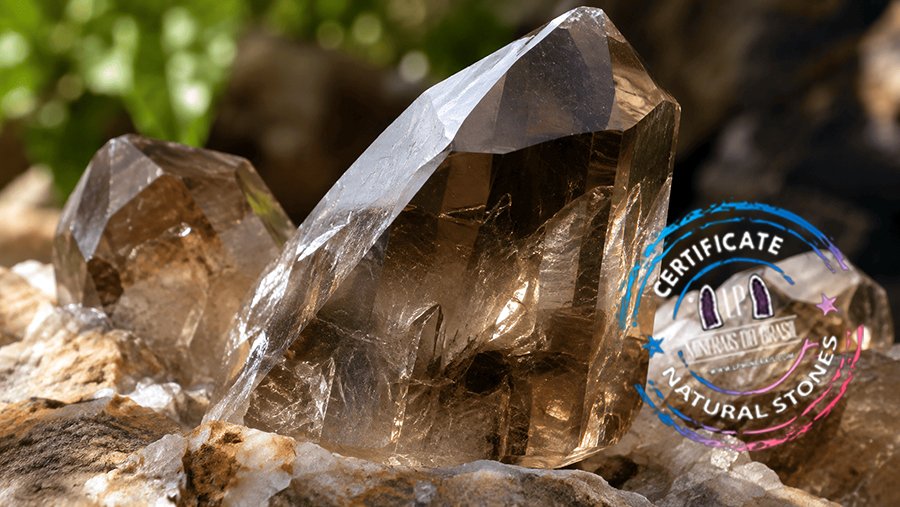
Smoky Quartz: the stone of energetic protection, grounding, and inner strength
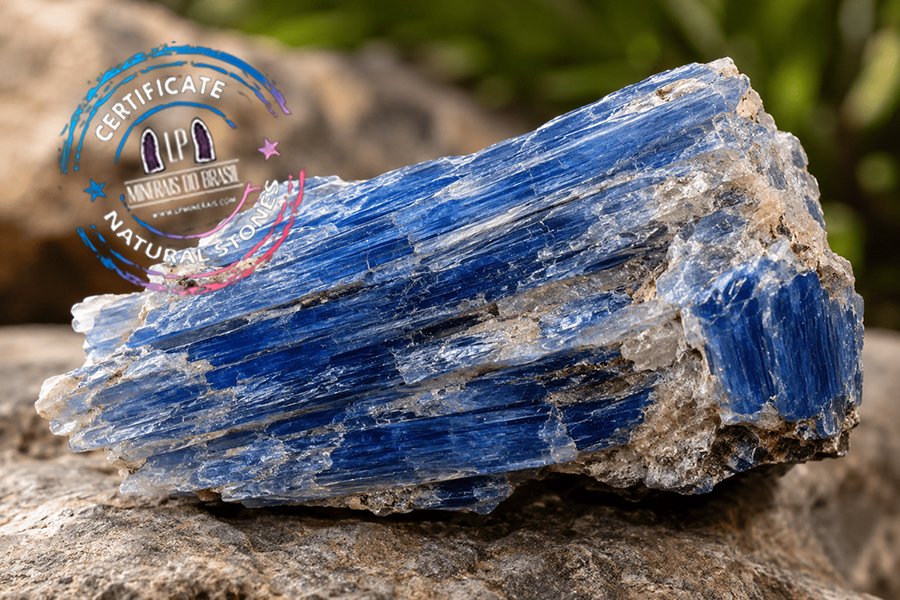
Blue Kyanite: why is this stone of spiritual protection known as the Sword of Archangel Michael?
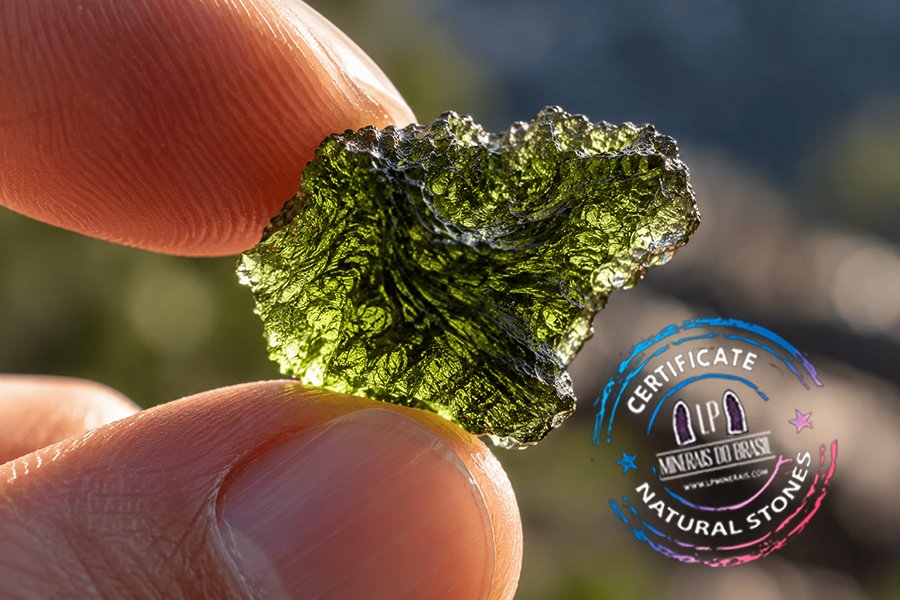
Moldavite: the stone born from a meteorite impact that became a symbol of transformation
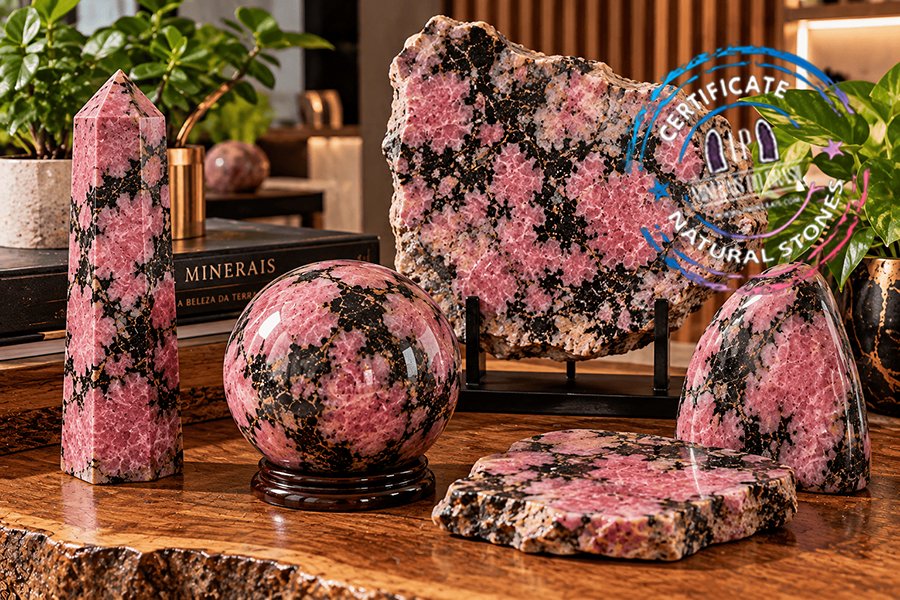
Rhodonite: Why Is It Known as the Stone of Forgiveness and Emotional Healing?
Howlite: what lies behind the Stone of Calm and Inner Silence?
Moonstone: the Stone of Intuition, Feminine Energy, and the Mysteries of the Moon.
Jade: The Stone of Wisdom, Prosperity, and Harmony That Spans Millennia
Angelite: The Stone of Serenity, Intuition, and Spiritual Connection
Green Aventurine: the Stone of Prosperity, Opportunity, and New Paths
Orange Calcite: The Solar Energy That Awakens Creativity and Movement