



Why has a blue stone captivated pharaohs, artists, philosophers, and spiritual seekers for thousands of years? The answer lies in the rare combination of its striking beauty and the profound symbolism that different civilizations have attributed to it throughout history. Long before it was used in jewelry and decorative objects, lapis lazuli was already considered a mineral associated with knowledge, truth, and the connection between the earthly and spiritual worlds.
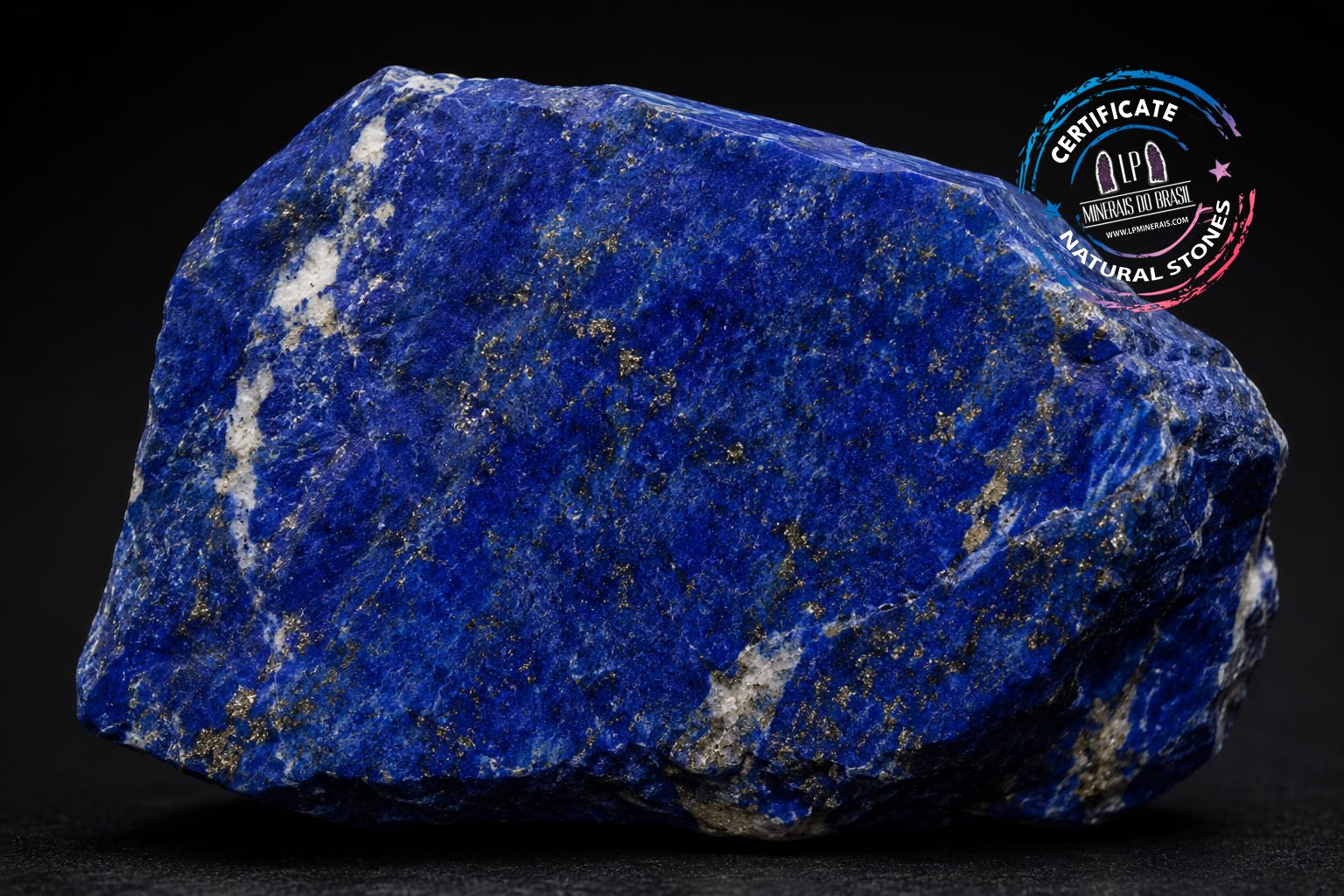
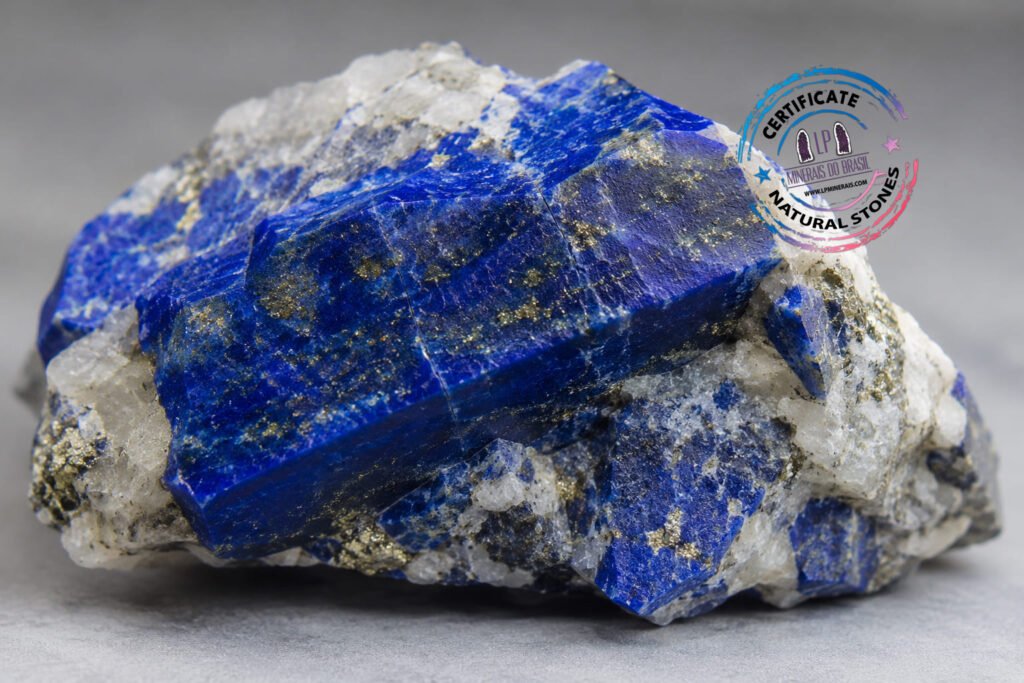
Its intense blue color, often punctuated by small golden pyrite crystals, makes each piece appear to replicate a starry sky. This unique appearance helped make lapis lazuli one of the most prized gemstones of antiquity, and to this day, it continues to spark interest among collectors, jewelers, and admirers of natural crystals.
In crystal healing traditions, Lapis Lazuli is often associated with the expansion of consciousness, the strengthening of intuition, and authentic communication. In mineralogy, it is a metamorphic rock composed primarily of the mineral lazurite, accompanied by calcite, pyrite, and other minerals that give it its characteristic appearance.
This blend of history, symbolism, and geology makes Lapis Lazuli one of the most fascinating stones in the mineral world.
The blue stone that enchanted kings and civilizations
Few minerals have a historical legacy as rich as that of lapis lazuli. More than six thousand years ago, it was already being mined in the mountains of present-day Afghanistan, a region that remains one of the primary sources of this material to this day.
The mineral traveled along ancient trade routes and reached Egypt, Mesopotamia, Greece, and later Europe, becoming a symbol of prestige and power. Funeral masks, jewelry, amulets, and ceremonial objects made from lapis lazuli demonstrate the immense value this stone held for various peoples.
In Ancient Egypt, for example, the intense blue color was associated with the sky, eternity, and divine knowledge. For this reason, lapis lazuli was frequently used in adornments belonging to the nobility and in objects used in religious rituals.
Its historical importance also extended beyond the realm of jewelry. For centuries, the mineral was ground to produce the pigment known as natural ultramarine, considered one of the most valuable in the history of art. Great masters of painting used this pigment in works that have spanned generations, further enhancing the prestige of this stone.
The Traditional Meaning of Lapis Lazuli
Over the centuries, various spiritual traditions have come to associate Lapis Lazuli with inner knowledge, mental clarity, and authentic expression. These interpretations belong to the realm of cultural traditions and crystal therapy; they are not scientifically proven properties, but they remain widely disseminated in classic works dedicated to the symbolic study of crystals.
In many meditative practices, it is believed that this stone fosters moments of introspection and encourages the search for truth, both in relation to the world and to oneself. Rather than promising answers, it is often seen as a symbol of the development of perception and consciousness.
Traditionally, lapis lazuli is associated with qualities such as:
- wisdom;
- self-knowledge;
- sincere communication;
- intuition;
- discernment;
- mental serenity.
More than just an ornament, this stone has become a symbolic invitation to cultivate knowledge, listen to one’s own conscience, and develop relationships grounded in truth.
Why do so many people choose Lapis Lazuli?
While some natural stones are chosen primarily for their appearance, Lapis Lazuli tends to spark interest due to the combination of its color, history, and symbolism. Its deep blue conveys a sense of tranquility that many people appreciate in jewelry, environments, and moments dedicated to relaxation.
In holistic practices, it is common to find it in spaces set aside for meditation, study, and reading. Some people wear a Lapis Lazuli pendant as a daily reminder of the importance of communicating clearly, acting with honesty, and keeping an open mind to new learning.
Regardless of one’s personal beliefs, it is undeniable that its visual presence conveys elegance and personality. Perhaps it is precisely this combination of traditional meaning and natural beauty that explains why Lapis Lazuli continues to be admired after so many centuries.
Lapis Lazuli and Meditation
In crystal therapy practices, Lapis Lazuli is often used during moments of silence and contemplation. Its presence is usually associated with the pursuit of greater concentration, organization of thoughts, and the development of intuitive perception.
Traditionally, many people use this stone during:
- moments of meditation;
- reading and study environments;
- spaces dedicated to self-discovery;
- personal altars;
- places dedicated to relaxation and reflection.
These uses are part of holistic traditions and vary according to each practitioner’s experience and interpretation.
The blue that nature took millions of years to create
From a geological standpoint, lapis lazuli is not a single mineral but a metamorphic rock composed primarily of lazurite, which is responsible for its intense blue color. The presence of pyrite forms small golden flecks, while calcite appears as delicate whitish veins.
This natural combination makes each piece unique. Some pieces feature a uniform, deep blue; others display a greater amount of pyrite or calcite—characteristics that influence both their appearance and their market value.
Contrary to what many people think, the small golden flecks are not impurities. On the contrary, when distributed harmoniously, they are part of the visual identity that has made lapis lazuli famous around the world.
From the Mountains to the Mineral Market
Most gem-quality lapis lazuli continues to be mined in Afghanistan, especially in the Badakhshan region, considered one of the most traditional sources of this material.
There are also deposits in Chile, Russia, Pakistan, Myanmar, Canada, and the United States. Each origin has its own characteristics related to color intensity and the ratio of lazurite, pyrite, and calcite—factors that directly influence the stone’s appearance and value.
In addition to jewelry, rough specimens, beads, sculptures, and ornamental pieces continue to be highly sought after by collectors and enthusiasts of natural minerals.
Lapis Lazuli in Jewelry: Elegance That Spans Centuries
Lapis Lazuli has earned a permanent place in the history of jewelry by combining natural beauty with an unmistakable visual identity. Its deep blue, often punctuated by delicate golden pyrite crystals, gives pieces a sophisticated look that is hard to miss.
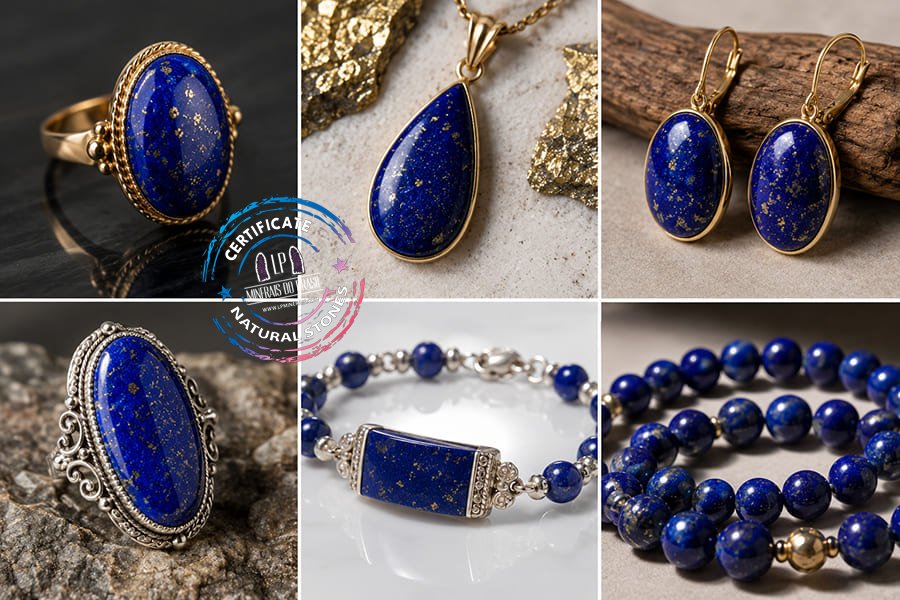
Rings, pendants, earrings, bracelets, and necklaces crafted from lapis lazuli continue to be prized both for their ornamental value and for the traditional symbolism attributed to the stone. In contemporary jewelry, it is often paired with silver, yellow gold, or white gold, creating elegant contrasts that further enhance its color.
For many people, wearing Lapis Lazuli jewelry represents more than just an aesthetic choice. Traditionally, it is believed that keeping the stone close to the body symbolizes a commitment to truth, conscious communication, and the development of inner wisdom.
LP MINERALS Fun Fact 💎
Contrary to what many people think, the small golden flecks found in high-quality specimens do not diminish their value. These flecks are natural pyrite crystals and are part of lapis lazuli’s composition, being one of the elements that most contribute to its characteristic appearance.
A stone to collect, display, and admire
Beyond jewelry, lapis lazuli holds a prominent place among collectors and enthusiasts of natural minerals. Sculptures, spheres, faceted towers, obelisks, and rough specimens reveal different aspects of this ornamental stone’s beauty.
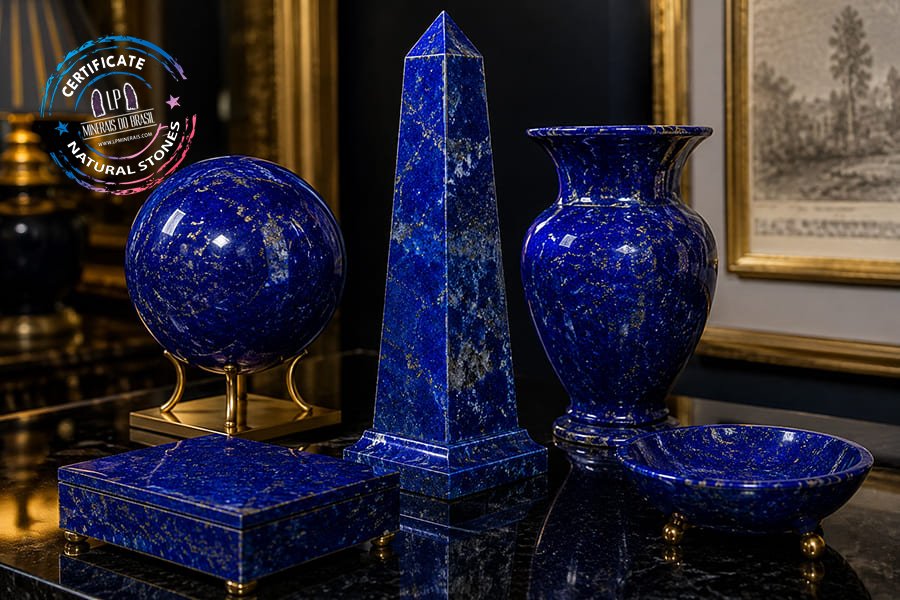
In interior design, its intense blue color creates focal points in both contemporary and classic settings. Offices, libraries, reading rooms, and spaces designed for relaxation often feature lapis lazuli pieces, enhancing both the aesthetic appeal and the symbolism traditionally associated with serenity and knowledge.
Companies committed to responsible sourcing and Fair Trade practices help strengthen a more transparent mineral supply chain, valuing both the stone’s origin and the labor involved in its extraction and processing.
How can you identify natural lapis lazuli?
Because it is a well-known stone, lapis lazuli also has imitations made from synthetic materials or dyed rocks. Correct identification depends on analyzing various mineralogical and gemological characteristics.
In natural specimens, it is common to observe a combination of lazurite, small pyrite inclusions, and subtle calcite veins. The complete absence of these characteristics or an excessively uniform color may indicate the need for a more detailed evaluation.
Whenever possible, it is recommended to purchase minerals and gemstones from specialized suppliers who clearly disclose the origin and authenticity of the material.
🗺 LP MINERAIS Technical Note ⛏💎📦🗺
🗺 » ORIGIN – Afghanistan, Chile, Russia, Pakistan, Myanmar, Canada, and the United States.
⚛️ » CHEMICAL COMPOSITION – Metamorphic rock composed predominantly of lazurite, accompanied by calcite, pyrite, and other minerals.
🔩 » MOHS SCALE – 5 to 5.5.
🔢 » NUMEROLOGY – There is no mineralogical or scientific consensus on a specific numerological meaning.
🔅 » MEANING – Traditionally associated with wisdom, truth, intuition, knowledge, and conscious communication.
🅰️ » SUMMARY – An ornamental rock with an intense blue color, prized since ancient times for its beauty and symbolism.
✅ » SPECIFICATION – Metamorphic rock composed mainly of lazurite.
🧩 » STATE – Natural rock.
⚒ » FORMATION – Formed during metamorphic processes in limestones rich in specific minerals, under high temperatures and pressures.
⚠️ » CARE – Avoid impacts, harsh chemicals, and prolonged exposure to moisture.
🛁 » CLEANING – Use a soft, slightly damp cloth. Avoid abrasive products and ultrasonic cleaning.
🎨 » COLOR – Intense blue to deep blue, often with golden pyrite inclusions and white calcite veins.
☯️ » ZODIAC – Traditionally associated with Sagittarius and Libra in some esoteric traditions. There is no universal consensus.
🪐 » SOLAR SYSTEM – Traditionally associated with the planet Jupiter in some esoteric traditions.
➰ » CHAKRAS – Often associated with the Brow Chakra (Third Eye) and the Throat Chakra in crystal therapy practices.
♻ » ELEMENT – Associations vary across different traditions; there is no universally established consensus.
💎 » RARITY – It is not considered rare, but specimens with intense blue color, minimal calcite, and a harmonious distribution of pyrite are highly valued.
🗳 » CHARACTERISTICS – Deep blue with natural inclusions of golden pyrite and veins of calcite.
Frequently Asked Questions About Lapis Lazuli
Is Lapis Lazuli a mineral or a rock?
Technically, it is a metamorphic rock composed mainly of lazurite, accompanied by other minerals such as pyrite and calcite.
How can you tell if Lapis Lazuli is genuine?
Identification should take into account its composition, the natural presence of pyrite, calcite veins, and other gemological characteristics. If in doubt, a professional evaluation is recommended.
Is lapis lazuli rare?
It is not considered rare, but high-quality specimens with an intense blue color and low calcite content are significantly more valuable.
What is lapis lazuli used for?
It is widely used in jewelry, home decor, collecting, and, traditionally, in meditation and personal development practices.
Can Lapis Lazuli get wet?
Occasional contact with water is usually not a problem, but it is not recommended to leave it submerged for long periods or to use chemicals when cleaning it.
What do the golden spots mean?
They are natural pyrite crystals, an integral part of Lapis Lazuli’s composition and one of the elements responsible for its characteristic appearance.
Does Brazil have lapis lazuli?
To date, Brazil is not recognized as a major commercial producer of lapis lazuli. The main known sources are in Afghanistan and Chile.
Conclusion
Over thousands of years, lapis lazuli has earned a unique place among the world’s most admired gemstones. Its striking beauty—created by the combination of the deep blue of lazurite, the golden luster of pyrite, and the delicate veins of calcite—has transformed this rock into a true symbol of elegance and history.
At the same time, crystal healing traditions have preserved its significance as a stone often associated with wisdom, communication, and self-knowledge, keeping alive a symbolic legacy that spans generations. Whether in jewelry, collections, or decorative objects, lapis lazuli continues to represent one of the most beautiful expressions of nature’s mineral wealth.
By: Doris S. Rosa
Carnelian: origin, formation, mineralogy, and the vibrant energy of a stone linked to action.
Fluorite: Mineralogy, Formation, Colors, and Meaning of a Mineral that Organizes Light and Color
Red Jasper: Mineralogy, Vitality, and the Ancestral Strength of an Earth-Connected Stone
Hematite: The Strength of Iron, Grounding, and the Presence That Comes from the Earth
Citrine: Between the Light of Quartz, Prosperity, and the Power of Solar Energy
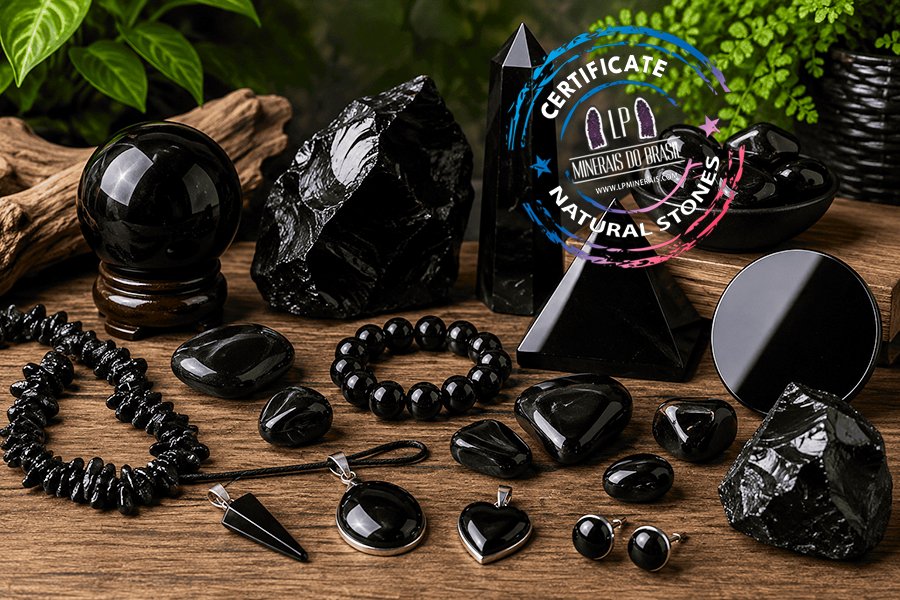
Black Obsidian: The Stone of Protection, Grounding, and Inner Truth

Selenite: The Stone of Purity, Light, and Serenity

Orange Calcite: The Stone of Joy, Creativity, and Renewal

Carnelian: The Stone of Vitality, History, and Inner Strength

Fluorite: The Stone of Mental Clarity, Natural Geometry, and Mineralogical Diversity