




Why does the emerald remain one of the most admired gemstones in the world, even after thousands of years of history? The answer goes far beyond its rare green hue. Since ancient times, it has captivated people by combining beauty, exclusivity, and a symbolism that has spanned civilizations. Kings, emperors, pharaohs, jewelers, and collectors saw in the emerald much more than a precious gem: they saw in it a symbol of wisdom, hope, prosperity, and renewal.
In the world of crystals, the emerald is traditionally associated with inner growth, the strengthening of genuine relationships, and the ability to view life with greater clarity and balance. From a gemological perspective, it represents one of the most noble varieties of the mineral beryl, prized for its intense color, relative rarity, and historical significance in the international gem market.
This union of symbolism, science, and natural beauty explains why the emerald remains among the most coveted gemstones on the planet.
The green that spanned empires
Long before it graced the display cases of luxury jewelry stores, the emerald was already considered an extraordinary gemstone. Historical records show its use in Ancient Egypt, where it was prized as a symbol of youth, fertility, and the renewal of life. Over the centuries, it also gained prominence among the Romans, Persians, Incas, and various European courts.
The figure of Cleopatra is often associated with emeralds. Although there are different historical interpretations of this connection, it is widely recognized that the Egyptian queen deeply appreciated this gem and that mines now known as “Cleopatra’s Mines” were among the first documented sources of emeralds.
This cultural heritage has helped ensure that the stone remains associated with prestige, refinement, and knowledge—characteristics that are still part of its identity today.
A Stone Rich in Meaning
In various spiritual traditions, the emerald is often described as a stone focused on emotional maturity and the cultivation of more balanced relationships. Its intense green color is typically associated with nature, blossoming, and the human capacity to start anew without losing one’s essence.
These interpretations belong to the realm of cultural traditions and crystal therapy and do not constitute scientifically proven properties. Nevertheless, they have remained alive for decades in reference works in the field and continue to inspire people who use crystals in meditation, personal development, and the harmonization of environments.
Traditionally, the emerald is associated with states such as:
- inner growth;
- emotional serenity;
- conscious prosperity;
- wisdom;
- hope;
- balance in relationships.
More than just promising results, these associations serve as symbols capable of inspiring personal reflection and intention.
Why do so many people choose to wear an emerald?
There is an interesting difference between the emerald and many other natural gemstones. While some attract attention primarily for their aesthetic beauty, the emerald is often chosen as well for the meaning it holds for those who wear it.
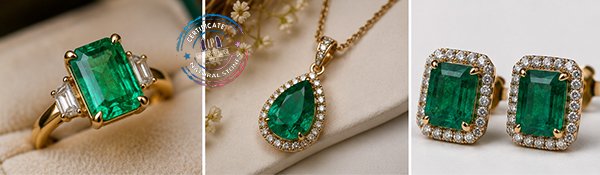
Some people wear an emerald ring as a lasting reminder of a new chapter in life. Others prefer to wear it as a pendant, believing that its presence symbolizes balance, prosperity, or emotional strength. In homes, natural emeralds are also used as decorative pieces by those who appreciate both their beauty and the symbolism traditionally associated with the green color of renewal.
Regardless of the motivation, the stone’s value lies not only in its rarity but in the story each person creates with it.
The Emerald in Meditation and Daily Life
Within holistic practices, the emerald is often used during moments dedicated to introspection. Its symbolism is frequently linked to the pursuit of more conscious decisions and relationships built on trust and respect.
It is also common to find it in offices, private practices, and spaces dedicated to therapeutic care. In these settings, many people appreciate its presence as a decorative element associated with tranquility and balance.
Among its traditional uses are:
- meditation;
- personal altars;
- harmonizing spaces;
- everyday jewelry;
- workspaces;
- spaces designed for relaxation.
What makes an emerald so special?
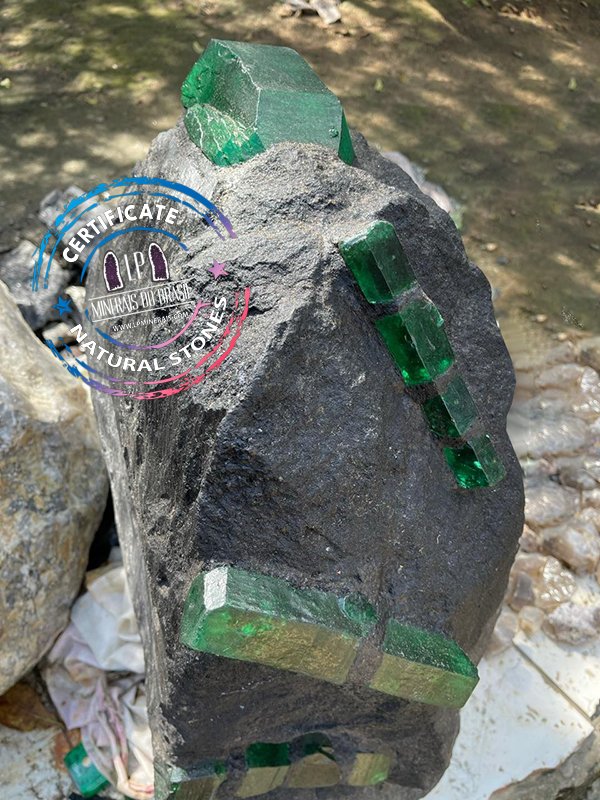
From a gemological standpoint, the emerald belongs to the beryl group and owes its green color primarily to the presence of small amounts of chromium, vanadium, and, in some cases, iron during its geological formation.
It is precisely this composition that gives rise to one of the most famous shades of green in the mineral world.
Interestingly, most natural emeralds contain internal inclusions. Rather than being considered defects, these characteristics are often part of the gem’s identity and frequently help experts identify natural specimens. In the gemological market, these inclusions even have a well-known nickname: “emerald gardens, ” due to the appearance they can take on when viewed under magnification.
This is one of the reasons why the evaluation of an emerald goes far beyond absolute transparency. Color, the distribution of inclusions, cut, origin, and authenticity form a set of factors that determine the value of each gem.
How Is an Emerald Formed?
The formation of an emerald is the result of extremely specific geological processes. Unlike many abundant minerals, its crystallization requires a combination of chemical elements that are rarely found in the same geological environment.
Beryllium, an essential component of beryl, typically occurs in granitic and pegmatitic rocks. Chromium and vanadium, on the other hand, are usually found in metamorphic or ultramafic rocks. For an emerald to form, these elements must interact under very specific geological conditions, which explains its relative rarity.
It is precisely this unlikely combination that makes the emerald one of the most prized gemstones on the planet.
From the Mines to the International Market
Currently, some of the world’s best-known emeralds come from Colombia, a country traditionally recognized for the quality of its gemstones. There are also significant deposits in Zambia, Brazil, Afghanistan, Madagascar, and other producing countries.
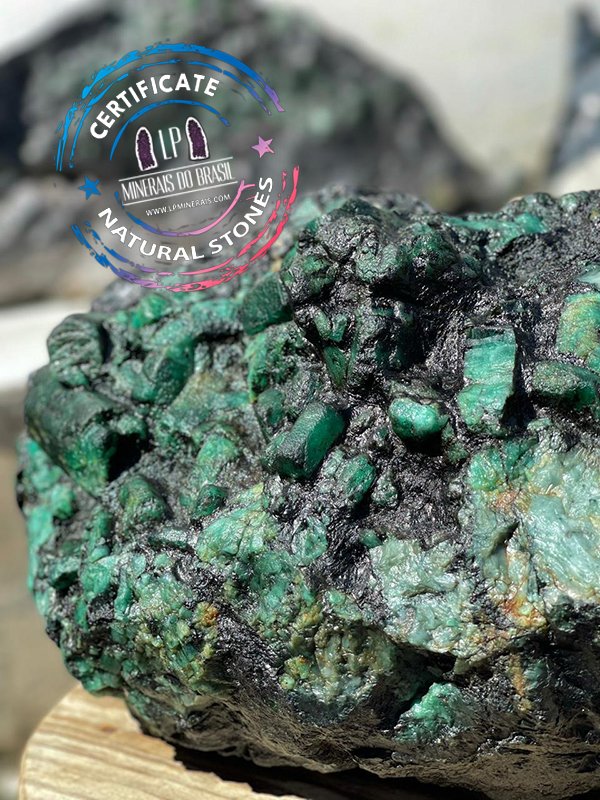
Brazil has significant emerald deposits, especially in states such as Bahia, Goiás, and Minas Gerais, contributing to the mineral diversity that makes the country an international leader in the natural gem and mineral sector.
In addition to the jewelry market, rough specimens and collector’s crystals also attract great interest among collectors, museums, and companies specializing in ethically sourced, premium-grade minerals.
The Emerald in Jewelry: A Classic That Spans Generations
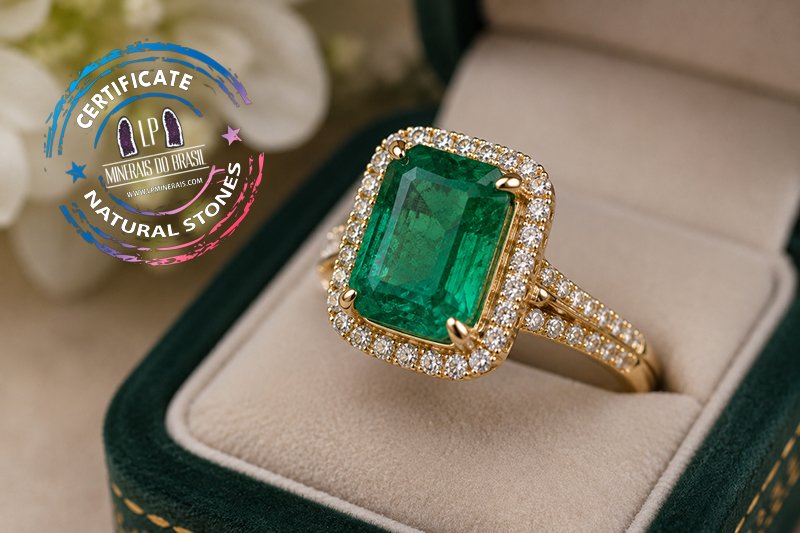
Few gemstones hold such a firmly established place in fine jewelry as the emerald. Its intense green hue has become a symbol of elegance and exclusivity, featuring in some of the most famous pieces in history. Rings, necklaces, earrings, and bracelets crafted with emeralds continue to inspire admiration both for their gemological value and for the stone’s timeless beauty.
Unlike many trends that come and go, the emerald has remained relevant for centuries. Major jewelry houses continue to incorporate this gem into sophisticated collections, while artisanal jewelers value each stone for its individuality. No two natural emeralds are exactly alike, and this uniqueness is an important part of their charm.
For many people, wearing emerald jewelry represents more than just an aesthetic choice. Traditionally, the stone is associated with strengthening emotional bonds, prosperity, and emotional balance, which is why rings, pendants, and bracelets are also chosen for their symbolic meaning.
LP MINERAIS Fun Fact 💎
In gemology, an emerald completely free of inclusions is extremely rare. In many cases, small natural inclusions help experts verify the gem’s authenticity, acting as a sort of “fingerprint” created by nature itself during the stone’s formation.
Far Beyond Jewelry: Decor, Collectibles, and Investment
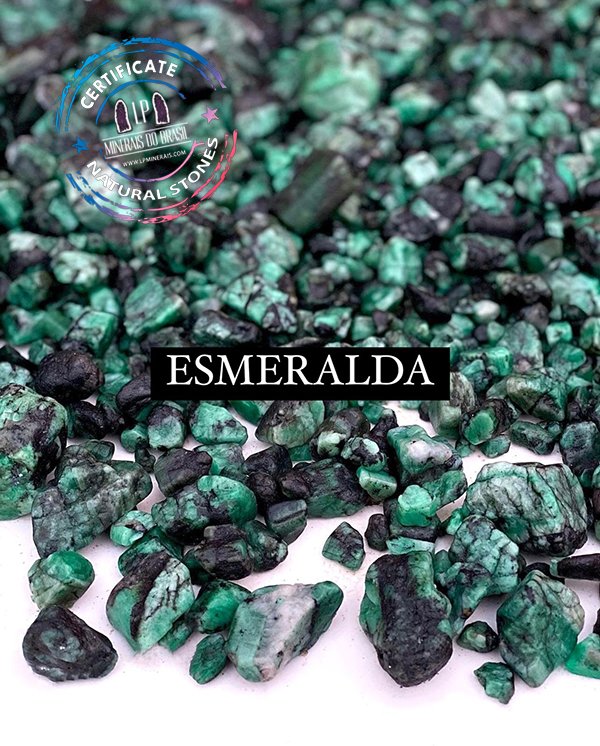
Although known worldwide for its use in jewelry, the emerald also sparks enormous interest among collectors and connoisseurs of natural minerals. Well-formed crystals, specimens in matrix, and high-quality rough stones can appreciate significantly in value, especially when they have a good provenance and striking mineralogical characteristics.
In interior design, natural emerald crystals are used in sophisticated settings as focal points. Their presence conveys elegance and brings spaces closer to the beauty found in nature, enhancing projects that utilize authentic mineral materials.
Companies committed to ethical sourcing, careful selection, and Fair Trade practices help strengthen a more responsible mineral supply chain, adding value to both the product and the story behind each stone.
How to Identify a Natural Emerald?
The gemstone market includes natural, synthetic, and imitation materials, making it important to understand that identifying an emerald should not be based solely on appearance.
Gemological analysis considers various factors, such as internal inclusions, refractive index, crystalline characteristics, origin, and any treatments applied to the gem. In many cases, only specialized equipment allows for conclusive identification.
Therefore, purchasing emeralds from specialized companies that are transparent about their origin remains one of the safest ways to invest in a natural gemstone.
🗺 LP MINERAIS Technical Section ⛏💎📦🗺
🗺 » ORIGIN – Colombia, Brazil, Zambia, Afghanistan, Madagascar, Pakistan, Russia, and other beryl deposits.
⚛️ » CHEMICAL COMPOSITION – Be₃Al₂(Si₆O₁₈) (Beryllium Aluminum Silicate).
🔩 » MOHS HARDNESS – 7.5 to 8.
🔢 » NUMEROLOGY – There is no mineralogical or scientific consensus on a specific numerological meaning.
🔅 » MEANING – Traditionally associated with wisdom, prosperity, renewal, mature love, and emotional balance.
🅰️ » SUMMARY – A green variety of beryl considered one of the most valuable and traditional gemstones in fine jewelry.
✅ » SPECIFICATION – A mineral belonging to the beryl group.
🧩 » STATE – Natural gemstone.
⚒ » FORMATION – Crystallizes in hydrothermal and pegmatitic environments under specific geological conditions.
⚠️ » CARE – Avoid impacts, sudden temperature changes, and contact with harsh chemicals.
🛁 » CLEANING – Use a soft cloth, warm water, and mild soap. Ultrasonic cleaning should be avoided for gemstones with fractures or fillings.
🎨 » COLOR – Light green to deep green, varying depending on the concentration of chromium, vanadium, and iron.
☯️ » ZODIAC – Traditionally associated with Taurus, Cancer, and Libra in some esoteric traditions. There is no universal consensus.
🪐 » SOLAR SYSTEM – Traditionally associated with the planet Venus in various esoteric traditions.
➰ » CHAKRAS – Frequently associated with the Heart Chakra in crystal therapy practices.
♻ » ELEMENT – Associations vary across different traditions; there is no universally established consensus.
💎 » RARITY – Considered a relatively rare precious gemstone, especially in specimens of high gemological quality.
🗳 » CHARACTERISTICS – Intense green color, vitreous luster, and natural inclusions are often present.
Frequently Asked Questions About Emeralds
How can you tell if an emerald is real?
Confirmation must be done through gemological analysis. Natural inclusions, optical properties, and laboratory tests help distinguish natural gemstones from synthetic ones or imitations.
Is the emerald a rare stone?
Yes. Although deposits exist in various countries, high-quality emeralds with intense color and good transparency are relatively rare and highly valued.
What is an emerald used for?
In jewelry, it is one of the world’s most precious gemstones. In crystal healing traditions, it is often used as a symbol of prosperity, emotional balance, wisdom, and renewal.
Can an emerald get wet?
Occasional contact with water does not usually cause problems. However, it is recommended to avoid chemicals, steam, and improper cleaning methods, especially for treated gemstones.
What is the difference between an emerald and other green stones?
The emerald belongs to the beryl group and has its own unique gemological characteristics. Other green stones, such as malachite, jade, peridot, or aventurine, have completely different chemical compositions, hardness levels, and formations.
Can emeralds be worn at work?
Many people wear emerald jewelry or carry emerald crystals in professional settings because they appreciate the symbolism traditionally associated with balance, prosperity, and clarity in decision-making.
Does Brazil produce emeralds?
Yes. Brazil has significant deposits and is internationally recognized as one of the producers of natural emeralds.
Does the emerald pair well with other stones?
In crystal therapy practices, it is traditionally combined with rose quartz, amethyst, and clear quartz, depending on the intended use. These combinations are part of holistic traditions and lack scientific proof.
Conclusion
The emerald remains one of the most admired gemstones in history, not only for its beauty but also for its unique combination of rarity, tradition, and symbolism. Its intense green color has spanned civilizations, inspired kings, artists, and jewelers, and continues to spark interest among collectors, gemologists, and lovers of natural crystals.
Whether as a high-value piece of jewelry, a collector’s crystal, or a decorative element, the emerald represents nature’s extraordinary ability to transform millions of years of geological processes into a gemstone that continues to enchant generations. For those who value provenance, authenticity, and knowledge, understanding its formation and traditional significance is a way to appreciate even more all that this stone has to offer.
By: Doris S. Rosa
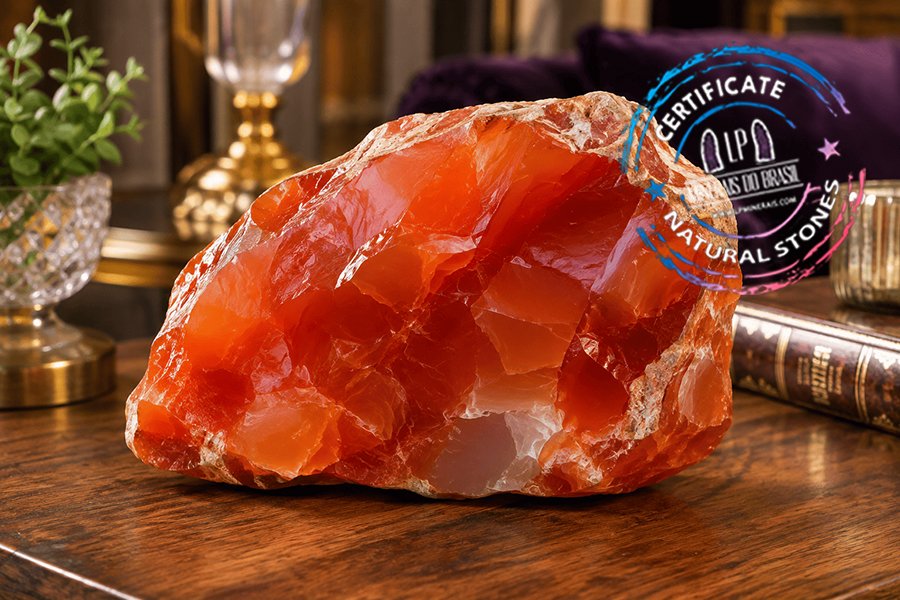
Carnelian: origin, formation, mineralogy, and the vibrant energy of a stone linked to action.
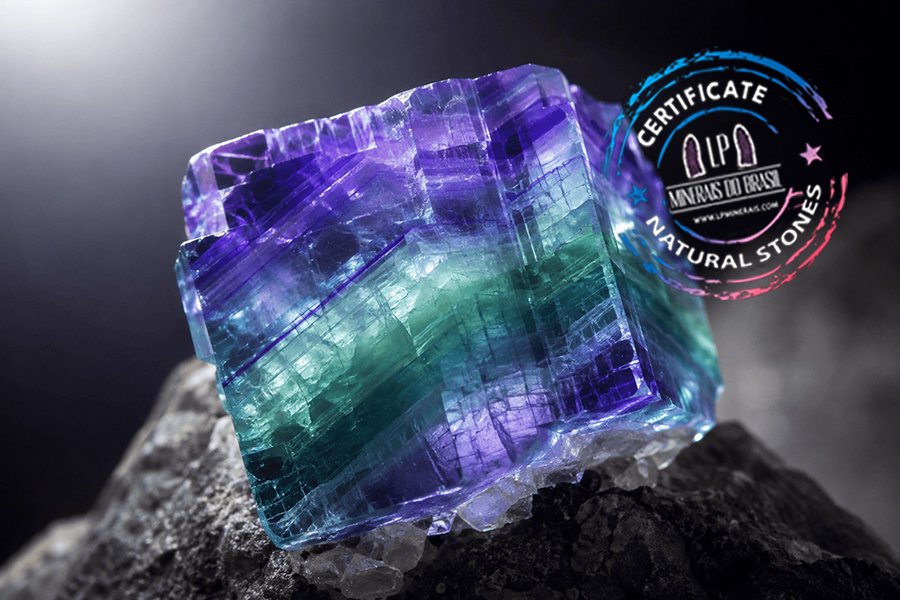
Fluorite: Mineralogy, Formation, Colors, and Meaning of a Mineral that Organizes Light and Color
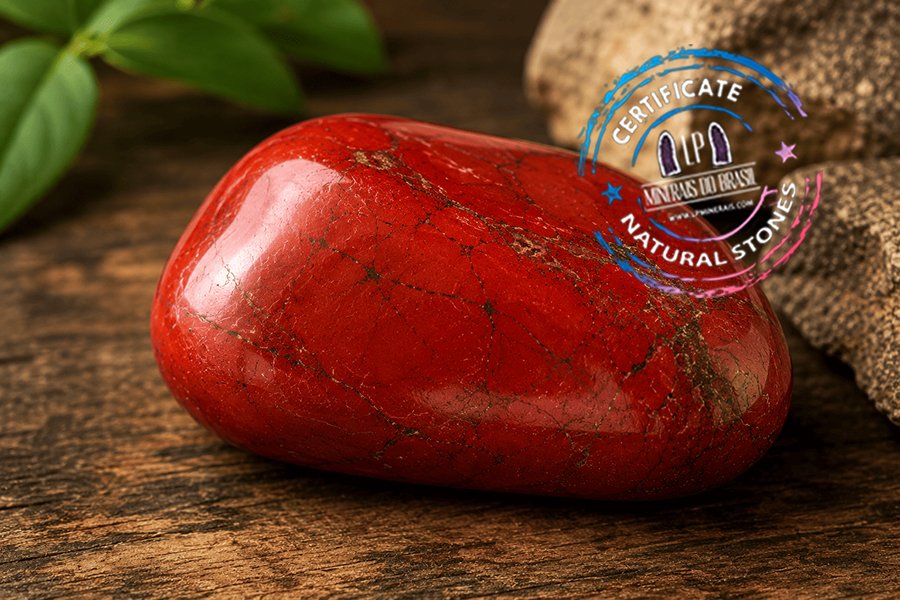
Red Jasper: Mineralogy, Vitality, and the Ancestral Strength of an Earth-Connected Stone
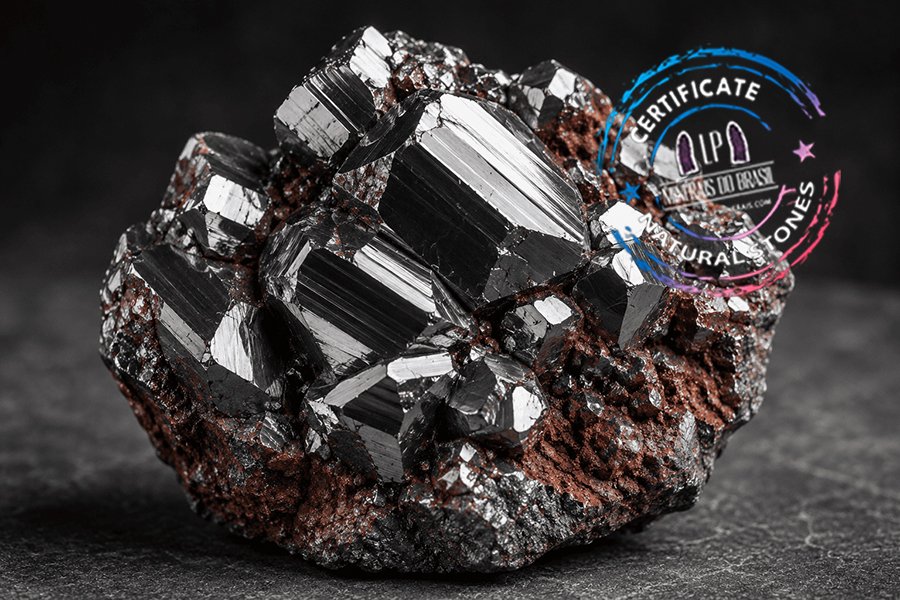
Hematite: The Strength of Iron, Grounding, and the Presence That Comes from the Earth
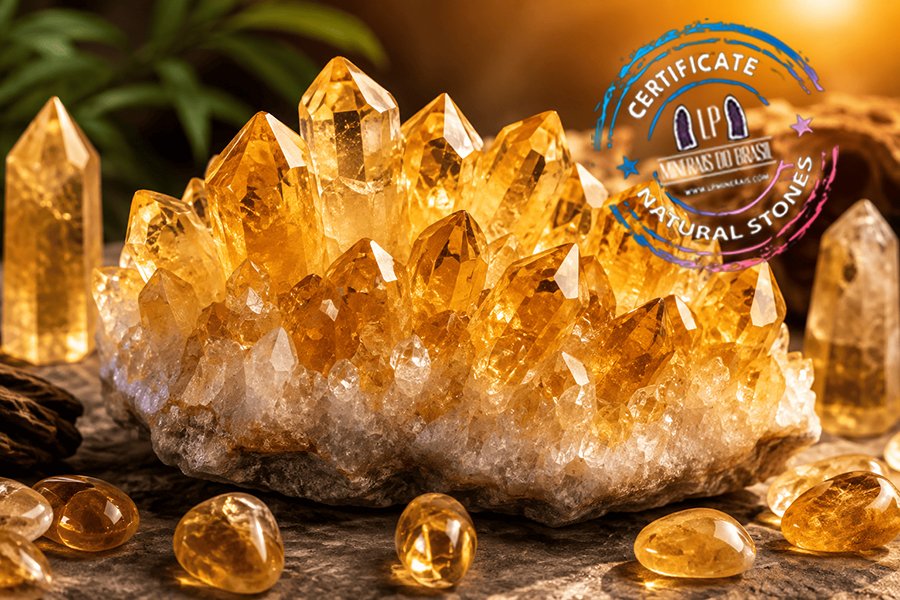
Citrine: Between the Light of Quartz, Prosperity, and the Power of Solar Energy
Black Obsidian: The Stone of Protection, Grounding, and Inner Truth

Selenite: The Stone of Purity, Light, and Serenity

Orange Calcite: The Stone of Joy, Creativity, and Renewal

Carnelian: The Stone of Vitality, History, and Inner Strength

Fluorite: The Stone of Mental Clarity, Natural Geometry, and Mineralogical Diversity