







Amid our fast-paced lives and information overload, many people are looking for ways to cultivate greater peace of mind and mental clarity. Within crystal healing traditions, Blue Quartz has become one of the stones most frequently associated with serenity, mindful communication, and strengthening emotional balance. Its soft hue conveys an immediate sense of calm, making it one of the most prized quartzes for both its beauty and the symbolism it embodies.
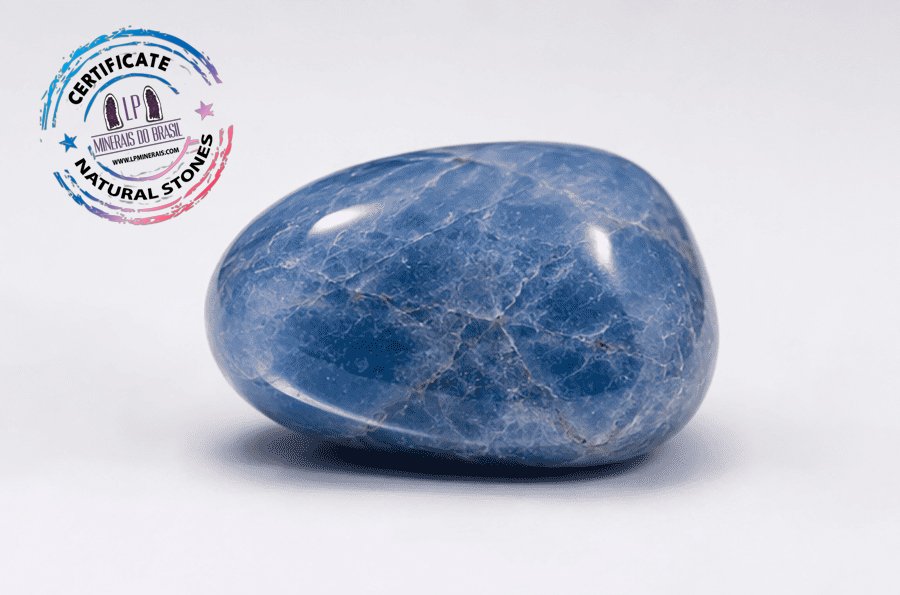
Contrary to what many people believe, Blue Quartz is not a different mineral species from quartz. It is a variety whose bluish coloration is related to the presence of microscopic inclusions of fibrous minerals or other natural optical phenomena, depending on the geological deposit. This characteristic gives each specimen unique nuances, ranging from very light blue to grayish blue.

The combination of visual delicacy, mineralogical durability, and spiritual tradition explains why Blue Quartz continues to be widely used in jewelry, home decor, collections, and wellness practices.
A stone traditionally associated with calm and good communication
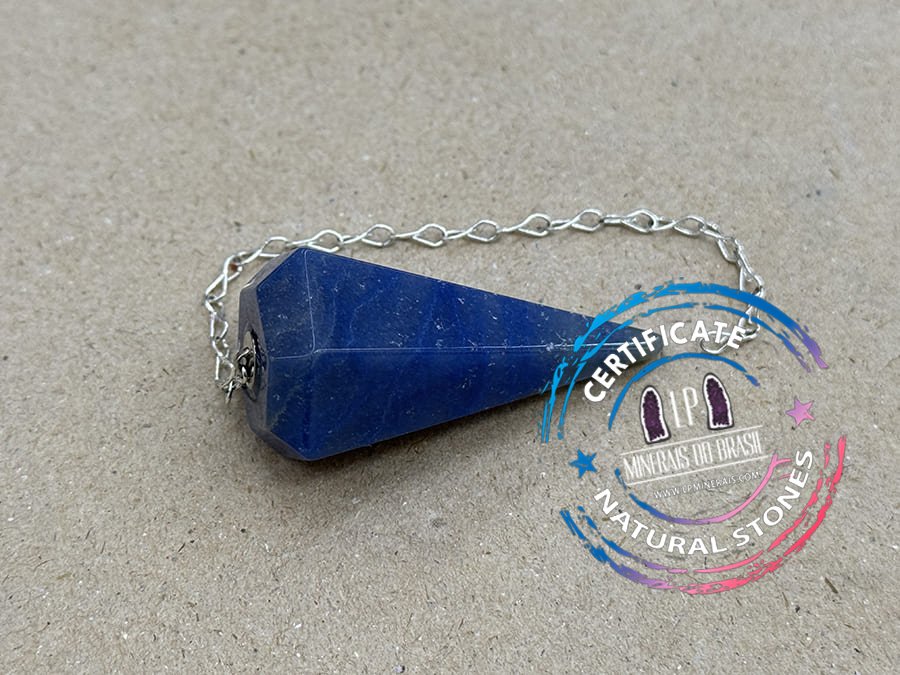
Among the various types of quartz used in holistic practices, Blue Quartz holds a very special place. While some stones are traditionally associated with protection or prosperity, Blue Quartz is often noted for its symbolic ability to promote states of tranquility, active listening, and balanced expression.
These interpretations belong to the field of crystal therapy traditions and do not represent scientifically proven properties. Nevertheless, they remain present in reference works in the field and continue to be used by people seeking to incorporate crystals into moments of meditation, personal development, and the harmonization of environments.

Traditionally, Blue Quartz is associated with qualities such as:
- serenity;
- clear communication;
- emotional balance;
- patience;
- confidence;
- clarity of thought.
More than just offering a solution to everyday challenges, this stone often symbolizes the importance of cultivating a more peaceful attitude toward life’s situations.
Why does Blue Quartz spark so much interest?
There is something about this stone’s soft blue hue that naturally conveys visual comfort. Perhaps that is why Blue Quartz is often chosen for spaces intended for rest, reading, intellectual work, and meditation.
Many people also choose to wear it in pendants, bracelets, or carry small pocket crystals as a symbolic way to remind themselves of the importance of staying calm during difficult conversations, presentations, study sessions, or moments that require greater concentration.
Even for those who aren’t familiar with the world of spirituality, it is an elegant, understated, and extremely versatile mineral that blends seamlessly with different styles of interior design and jewelry.
Blue Quartz in Everyday Life
In traditional crystal practices, Blue Quartz is often used in various contexts, always depending on the user’s intention.
Among the most common uses are:
- meditation;
- study environments;
- offices;
- reading rooms;
- medical offices;
- everyday jewelry.
Regardless of one’s personal beliefs, its delicate color makes it an excellent choice as a decorative element in contemporary spaces as well.
How is Blue Quartz formed?
Like other varieties of quartz, Blue Quartz is composed predominantly of silicon dioxide (SiO₂). It forms over millions of years in specific geological environments, usually associated with hydrothermal and pegmatitic processes.
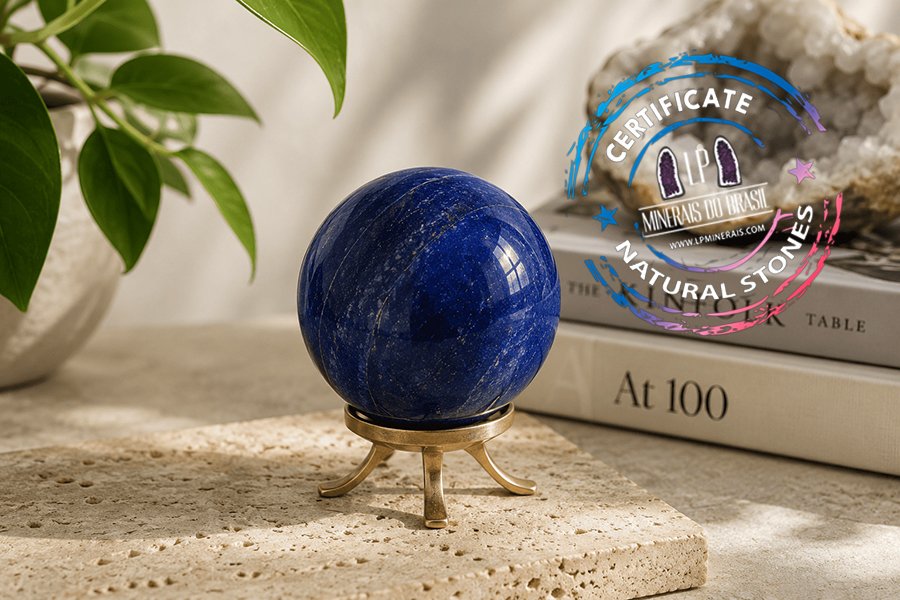
The blue hue is not caused by surface pigmentation, but by natural phenomena related to the presence of microscopic inclusions scattered throughout the crystal. These inclusions alter the way light passes through the mineral, producing its characteristic bluish color.
This natural origin makes each specimen unique, with subtle differences in color intensity, transparency, and color distribution.
A mineral prized in various markets
In addition to its use in crystal therapy, Blue Quartz also finds applications in interior design, mineral crafts, collecting, and contemporary jewelry. Spheres, towers, tumbled stones, sculptures, and ornamental pieces showcase different ways to highlight its natural beauty.
Brazil stands out among countries that produce quartz in a wide variety of forms, establishing itself as one of the world’s leading players in the mineral sector. The careful selection of natural specimens and a commitment to ethical sourcing further strengthen this mineral’s presence in both the domestic and international markets.
Its combination of understated beauty, wide availability, and traditional symbolism makes Blue Quartz a stone that continues to gain popularity among collectors, interior design professionals, and admirers of natural crystals.
When nature’s blue meets tranquility
There’s a reason why shades of blue are widely used in architecture, decor, and interior design projects. Psychologically, this color is often perceived as pleasant, balanced, and relaxing. Blue Quartz seems to convey this sensation to the mineral world, making it a stone frequently chosen by people who wish to create lighter, more welcoming environments.
In crystal therapy traditions, it is often associated with serene communication and the strengthening of inner peace. This is not a scientifically proven property, but rather a symbolic interpretation developed over time by various schools of thought and specialized authors. It is precisely this symbolism that makes Blue Quartz a constant presence in spaces dedicated to reading, meditation, therapy, and rest.
In many homes, it goes beyond being merely a decorative crystal to represent a specific intention: to slow down, listen more, and respond with greater balance to everyday situations.
A detail few people know
When observing natural Blue Quartz under different light intensities, it’s common to notice slight variations in color perception. Some specimens have a softer, milky blue hue, while others reveal subtle grayish tones.
This characteristic is part of the stone’s very nature and is related to how light interacts with its microscopic inclusions, making each specimen truly unique.
Blue Quartz in Jewelry: Timeless Elegance
While intensely colored gemstones often take center stage in exuberant jewelry, Blue Quartz takes a different path. Its elegance lies precisely in its understated nature.
Designers often use it in minimalist pieces, where the softness of the color is highlighted without excess. Delicate pendants, lightweight earrings, bracelets, and rings in silver or rose gold create sophisticated ensembles that easily complement different styles.

More than just following trends, Blue Quartz conveys a timeless aesthetic. It is a stone that rarely falls out of favor in jewelry precisely because its beauty does not depend on passing fads.
Far Beyond Jewelry: Decor and Well-Being
In contemporary interior design projects, natural minerals have evolved from mere collectibles to play an important aesthetic role. Blue Quartz fits seamlessly into this trend thanks to its soft hue and its ability to harmonize with light-colored spaces.
Cut pieces, spheres, towers, sculptures, and tumbled stones appear in:
- coffee tables;
- bookshelves;
- desks;
- offices;
- reading rooms;
- meditation spaces.
Their presence creates points of visual interest without competing with other decorative elements—a feature highly valued by architects and interior designers.
A choice that combines beauty and meaning
Perhaps this is Blue Quartz’s greatest distinguishing feature.
Those who choose it are usually looking for more than just a beautiful stone. They seek an object that also carries symbolic meaning.
Traditionally, many people use it as a reminder to cultivate:
- more patience in conversations;
- active listening;
- serenity in the face of challenges;
- emotional balance;
- clarity before making decisions.
Regardless of one’s personal beliefs, it’s hard to deny that its color conveys an immediate sense of lightness.
🗺 LP MINERAIS Technical Section ⛏💎📦🗺
🗺 » ORIGIN – Brazil, Madagascar, India, the United States, and South Africa.
⚛️ » CHEMICAL COMPOSITION – SiO₂ (Silicon Dioxide).
🔩 » MOHS SCALE – 7.
🔢 » NUMEROLOGY – There is no mineralogical or scientific consensus on a specific numerological meaning.
🔅 » MEANING – Traditionally associated with serenity, communication, emotional balance, and mental clarity.
🅰️ » SUMMARY – A natural variety of quartz characterized by its soft blue color caused by microscopic inclusions.
✅ » SPECIFICATION – A variety of quartz.
🧩 » STATE – Natural mineral.
⚒ » FORMATION – Crystallization in hydrothermal and pegmatitic environments over millions of years.
⚠️ » CARE – Avoid strong impacts and harsh chemicals.
🛁 » CLEANING – Running water, a soft cloth, and mild soap when necessary.
🎨 » COLOR – Light blue to grayish blue, may have a milky appearance.
☯️ » ZODIAC – Traditionally associated with Aquarius in some crystal therapy traditions. There is no universal consensus.
🪐 » SOLAR SYSTEM – Traditionally associated with the Moon in some esoteric traditions.
➰ » CHAKRAS – Often associated with the Throat Chakra in crystal therapy practices.
♻ » ELEMENT – Traditionally associated with the element Air in various esoteric schools.
💎 » RARITY – It is not considered rare, although specimens with uniform coloring are more highly valued.
🗳 » CHARACTERISTICS – Soft blue color, vitreous luster, and excellent durability.
Frequently Asked Questions About Blue Quartz
Is Blue Quartz natural?
Yes. There are natural specimens whose color results from microscopic inclusions present during their geological formation.
Can Blue Quartz fade?
When kept under intense and prolonged exposure to the sun, some specimens may undergo slight changes in hue. Therefore, it is recommended to avoid continuous exposure.
What is Blue Quartz used for?
In mineralogy, it is used in collecting, decoration, and jewelry. In crystal therapy traditions, it is often associated with serenity, communication, and emotional balance.
How can you tell if Blue Quartz is real?
Identification should take into account its mineralogical properties, hardness, luster, structure, and gemological analysis when necessary.
Can Blue Quartz get wet?
Yes. Occasional contact with water does not usually cause problems. It is simply recommended to dry the piece after cleaning.
What is the difference between Blue Quartz and Aquamarine?
Although some specimens look similar, they belong to completely different mineral groups. Aquamarine is a variety of beryl, while Blue Quartz belongs to the quartz group.
Does Brazil produce Blue Quartz?
Yes. Brazil is among the world’s leading producers of quartz, including deposits of Blue Quartz used in jewelry, interior design, and collecting.
Conclusion
Blue Quartz demonstrates that some of nature’s most striking stones do not need intense colors to inspire admiration. Its delicate beauty, combined with quartz’s characteristic durability and the symbolism traditionally associated with serenity and communication, makes it a choice prized by collectors, designers, jewelers, and enthusiasts of natural crystals.
Whether used to create an elegant piece of jewelry, enhance a contemporary setting, or complement a mineralogical collection, Blue Quartz stands as an example of how balance, simplicity, and beauty can go hand in hand.
By: Doris S. Rosa
Rhodonite: Why Is It Known as the Stone of Forgiveness and Emotional Healing?
Howlite: what lies behind the Stone of Calm and Inner Silence?
Moonstone: the Stone of Intuition, Feminine Energy, and the Mysteries of the Moon.
Jade: The Stone of Wisdom, Prosperity, and Harmony That Spans Millennia
Angelite: The Stone of Serenity, Intuition, and Spiritual Connection
Green Aventurine: the Stone of Prosperity, Opportunity, and New Paths
Orange Calcite: The Solar Energy That Awakens Creativity and Movement
Black Obsidian: origin, formation, properties, and meaning of one of the best-known protective stones.
Carnelian: origin, formation, mineralogy, and the vibrant energy of a stone linked to action.
Fluorite: Mineralogy, Formation, Colors, and Meaning of a Mineral that Organizes Light and Color