


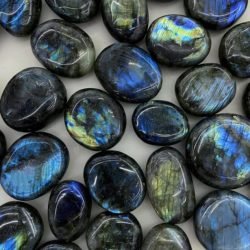

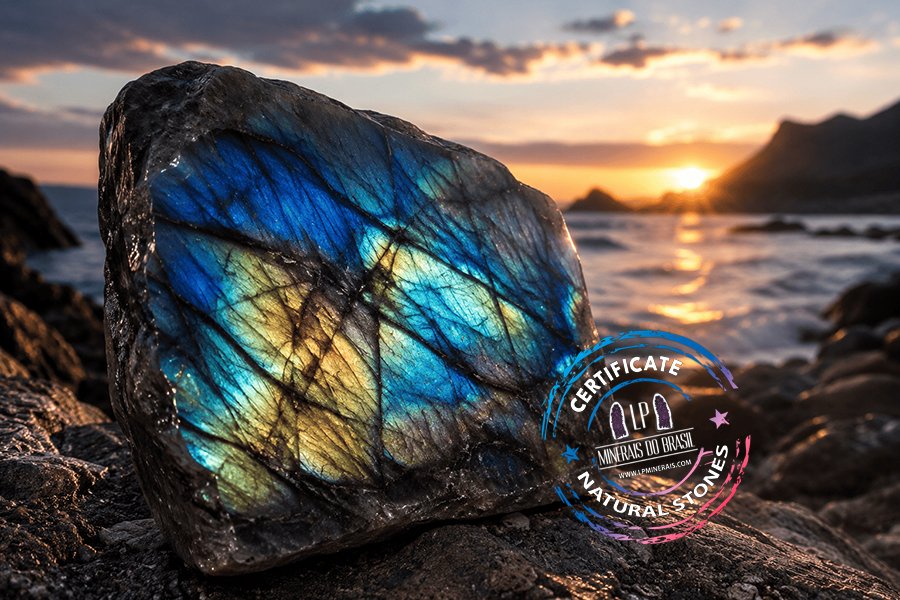
Few natural stones can captivate as much as labradorite. At first glance, its surface may seem unremarkable, with shades ranging from gray to graphite to dark green. However, as soon as light hits it at the right angle, its appearance transforms completely, revealing intense reflections of blue, green, gold, copper, and even violet. This sudden shift creates a visual spectacle that impresses both mineralogy experts and crystal enthusiasts around the world.
This unique characteristic has made Labradorite one of the most recognized gemstones today. Its allure extends beyond aesthetic beauty, sparking interest among geologists, gemologists, designers, jewelers, collectors, and practitioners of crystal therapy. While science provides a precise explanation for the origin of this extraordinary optical phenomenon, various symbolic traditions view the stone as a powerful symbol of transformation, insight, and the discovery of inner potential— two perspectives that coexist and help us understand why Labradorite holds such a special place in the world of minerals.
What is Labradorite?
Labradorite is a mineral belonging to the plagioclase feldspar group, a mineral family that makes up a significant portion of the Earth’s crust. Its composition is based primarily on calcium, sodium, aluminum, silicon, and oxygen—elements that, as they organize themselves during the slow process of magma crystallization, form an extremely complex crystalline structure. It is precisely this microscopic organization that gives rise to the famous labradorescence, an optical phenomenon responsible for its unique appearance.
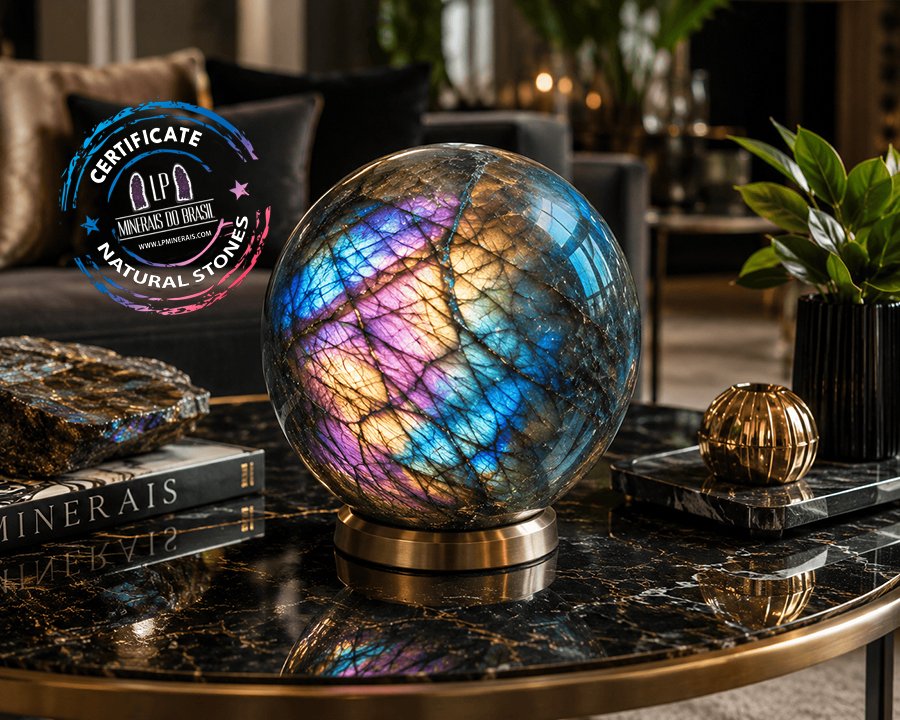
Although it is often referred to as a “precious stone” in common parlance, from a gemological standpoint, labradorite is classified as an ornamental gemstone. Its value is not related to the transparency or traditional brilliance found in diamonds, sapphires, or emeralds, but rather to the intensity, variety, and quality of the light reflections that emerge from within it. Each specimen has its own unique combination of colors and patterns, meaning that virtually no two stones are exactly alike.
Over the past few decades, labradorite has gained a foothold in various segments of the mineral market. In addition to high-end jewelry and original design pieces, it has become a constant presence in mineralogical collections, sculptures, decorative objects, and architectural projects, where its ability to interact with light completely transforms the perception of spaces.
The Origin of the Name and Its Discovery
The name “Labradorite” refers to the Labrador Peninsula, located in northeastern Canada, the region where the mineral was first scientifically described in the 18th century. Although Indigenous peoples were already familiar with and used the stone long before it was cataloged by European naturalists, it was through the geological expeditions conducted in that region that it officially became part of the mineralogical literature.
Since then, new deposits have been identified in various parts of the world, expanding scientific knowledge of the mineral. Madagascar has become one of the main commercial sources today, supplying specimens widely used in jewelry and interior design. Finland has gained international recognition for producing Spectrolite, a variety of Labradorite known for the extraordinary intensity and diversity of its reflections. Other important deposits are also found in Russia, Ukraine, Mexico, and the United States, demonstrating the wide geological distribution of this feldspar.
Each of these regions has unique geological conditions that can influence aspects such as the intensity of labradorescence, the predominant color, and the structural pattern of the crystals. For this reason, provenance is one of the factors considered by collectors and experts when evaluating high-quality specimens.
How Nature Created One of the Most Beautiful Optical Phenomena in Minerals
Labradorite’s great fame is linked to labradorescence, an optical phenomenon that continues to spark scientific interest even after centuries of study. Unlike the surface luster observed in many minerals, the reflections in labradorite are produced within the stone itself. During its geological formation, the slow cooling of magma causes the separation of extremely thin lamellae with slightly different chemical compositions. When light passes through these microscopic structures, an interference process occurs that causes certain colors of the visible spectrum to be reflected intensely.
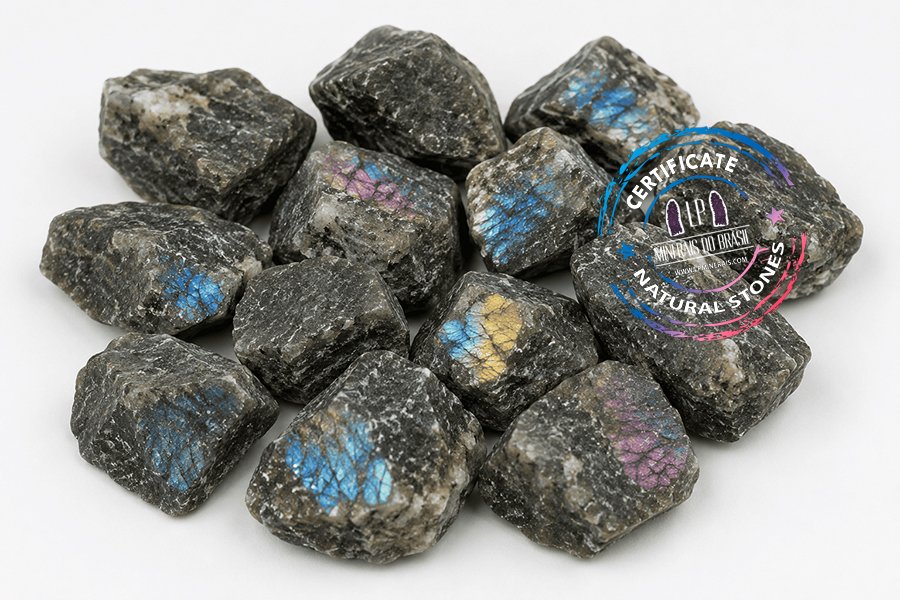
This effect is neither permanent nor uniform. As the stone is moved, the observer notices the colors appearing and disappearing, creating a sense of depth that is hard to find in other natural minerals. It is precisely this dynamic interaction between light and crystalline structure that makes each piece of labradorite unique.
The more intense, widespread, and diverse the labradorescence, the greater the gemological and commercial interest in the stone tends to be. Specimens capable of displaying reflections that cover virtually the entire cut surface are particularly prized, as they represent a rare combination of mineralogical quality, favorable geological formation, and excellence in the cutting process.
This interplay between science, beauty, and rarity explains why Labradorite remains one of the most fascinating stones in the mineral world, inspiring admiration both for the complexity of its formation and for its ability to reveal, with each new beam of light, a beauty that seemed to remain hidden.Due to its traditional symbolism, labradorite remains one of the most fascinating minerals ever produced by nature.
Labradorite in Crystal Healing Traditions: The Stone of Transformation and Inner Light
Long before it gained prominence in jewelry and interior design, Labradorite was already attracting interest for its unusual behavior when exposed to light. In crystal therapy traditions, this characteristic ceased to be merely an optical phenomenon and came to symbolize something greater: the ability to reveal what remains hidden until the right moment.
For this reason, Labradorite is traditionally associated with periods of transformation. Career changes, new projects, the closing of cycles, new beginnings, and processes of self-discovery are situations in which it is often chosen as a crystal for symbolic support. The idea is not to bring about change on its own, but to represent courage, discernment, and confidence in navigating phases of personal growth.
Its shimmer, which appears only when light hits it at the right angle, has become a metaphor frequently used in crystal therapy: just as the stone reveals previously invisible colors, it is believed that each person also possesses talents, abilities, and potential that manifest when the right moment arrives for them to flourish.
Traditionally, Labradorite is associated with:
- personal transformation;
- expansion of consciousness;
- self-knowledge;
- strengthening intuition;
- creativity;
- courage to face change;
- inner renewal;
- spiritual development.
A crystal traditionally associated with energetic protection
Among all the qualities attributed to Labradorite by the major traditions of crystal therapy, perhaps none is as well known as its association with energetic protection. Unlike crystals traditionally associated with grounding, such as Black Tourmaline, Labradorite is often described as a stone focused on preserving personal energy.
This interpretation has made it quite popular among people who interact with many others on a daily basis or work in emotionally intense environments. Therapists, teachers, healthcare professionals, leaders, consultants, and those in caring roles often choose Labradorite as a symbol of balance, helping them remember the importance of maintaining their own emotional boundaries while caring for or guiding others.
Within this tradition, it is believed that the stone fosters a more mindful approach to external influences, encouraging the individual to preserve their own identity without becoming overly absorbed by the emotions of their surroundings.
It is traditionally used as a symbol of:
- energetic protection;
- strengthening personal energy;
- emotional balance;
- stability during times of stress;
- preservation of mental clarity.
Intuition, Perception, and Creativity
Another aspect widely associated with Labradorite is the strengthening of intuitive perception. Various schools of crystal therapy describe it as a crystal that encourages a deeper observation of situations, promoting reflection before making important decisions.
This association has made the stone particularly prized by creative professionals. Writers, artists, architects, designers, musicians, and people working in innovation often use Labradorite as a source of inspiration in their workspaces—not because they expect automatic results, but because of the symbolism it represents: seeing new possibilities where before only the ordinary seemed to exist.
Just as its iridescence appears only under certain lighting conditions, Labradorite has become a symbol of the creativity that reveals itself when we change the way we observe the world.
Traditionally, it is associated with the development of:
- imagination;
- creativity;
- inspiration;
- intuitive perception;
- clarity of purpose;
- a broader perspective when facing challenges.
Meditation, Environments, and Everyday Use
In meditative practices, Labradorite is often used as a crystal for introspection. Many people keep it close during moments of silence and contemplation, believing that its presence fosters a calmer state of mind that is more receptive to self-knowledge.
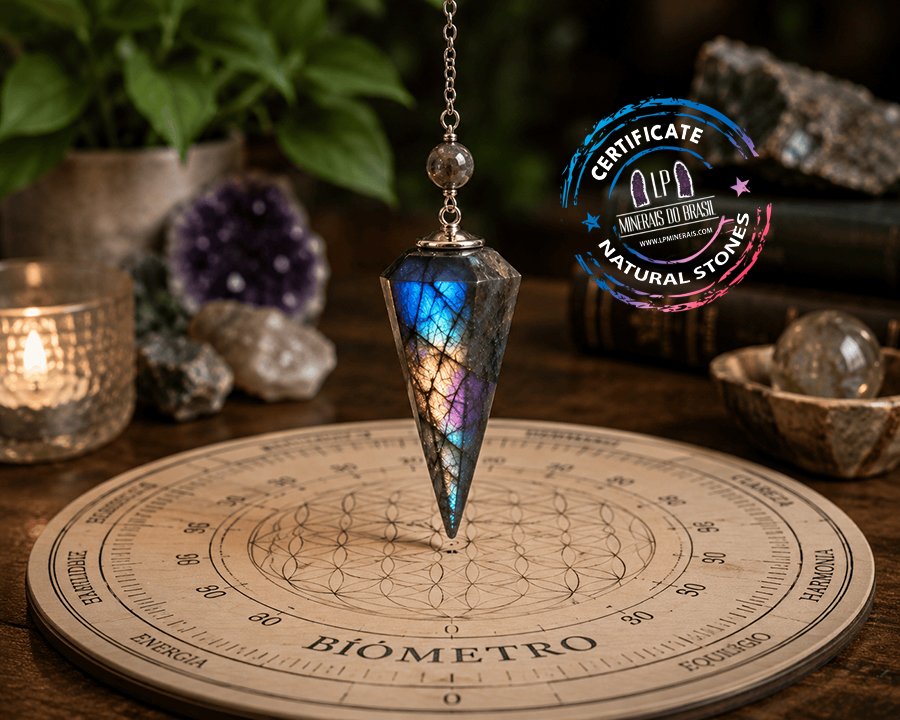
It is also quite common to find it in study environments, creative offices, therapy offices, and spaces dedicated to personal development. In these contexts, it symbolically represents the search for balance, concentration, and constant renewal.
When worn as jewelry—whether in pendants, bracelets, or rings—Labradorite accompanies the wearer throughout the day as a reminder of growth, adaptability, and confidence in one’s own abilities. For many people, it is more than just an accessory; it serves as a personal symbol of evolution.
Among the uses traditionally associated with labradorite, the following stand out:
- meditation;
- mindfulness practices;
- creative work environments;
- therapeutic spaces;
- personal altars;
- moments of study and concentration;
- everyday jewelry.
Energetic Cleansing and Combinations with Other Crystals
As with many crystals used in holistic practices, many traditions recommend that Labradorite be periodically subjected to symbolic energy-cleansing processes. Among the most common methods are smudging with natural herbs, resting the stone on selenite slabs, or placing it near clear quartz druses. These practices are part of the tradition of crystal therapy and hold symbolic meaning for those who practice them.
Labradorite also frequently appears in combinations with other crystals, forming sets used according to each person’s intention. Among the best-known combinations are:
- Amethyst: traditionally associated with spirituality and serenity.
- Black Tourmaline: a combination often used to symbolize protection and stability.
- Clear Quartz: chosen by many practitioners as a crystal for amplifying energy.
- Selenite: traditionally associated with cleansing and harmonizing environments.
- Rose Quartz: a combination focused on emotional balance and strengthening emotional bonds.
Regardless of the combination chosen, Labradorite remains the star of this set, traditionally recognized as a stone that symbolizes transformation, inner discovery, and the ability to reveal the beauty that lies beyond first impressions—just as its reflections are only fully revealed when they encounter the right light.
Fun Facts About Labradorite
Labradorite possesses characteristics that pique the interest of diverse audiences. For geologists, it represents an excellent example of how microscopic processes can produce extraordinary optical effects. For gemologists, it is a gem whose beauty depends as much on nature as on the skill of the gem cutter. For collectors and crystal enthusiasts, however, it is a stone that never reveals exactly the same spectacle twice.
One of the most interesting facts is that many people believe Labradorite “changes color.” In reality, its composition remains the same. What changes is the way light interacts with the mineral’s extremely fine internal structures, causing different wavelengths to be reflected depending on the viewing angle.
Another curious fact is that two stones extracted from the same block can exhibit completely different behaviors after cutting. While one may reveal an intense blue sheen covering virtually the entire surface, another may display golden reflections concentrated only in certain areas. This unpredictability is precisely one of the aspects that makes each specimen unique.
Among the best-known facts about labradorite are the following:
- each piece has a unique pattern of labradorescence;
- the reflections are not pigments, but a natural optical phenomenon;
- the cut directly influences the intensity of the visible colors;
- high-quality specimens can display multiple colors simultaneously;
- the stone takes on a completely different appearance depending on the lighting.
Labradorite in High-End Jewelry and Decor
Its ability to transform light into a spectacle of colors makes labradorite one of the most versatile gemstones on the market. In jewelry, it is typically cut into a cabochon, a shape that maximizes the labradorescence and allows its reflections to cover large areas of the surface. This characteristic has made the stone a frequent choice for designers seeking to create exclusive pieces with a strong visual identity.
In interior design, its use has also gained prominence. Polished Labradorite slabs are used for countertops, panels, tables, fireplaces, and design objects, lending sophistication to any space. As the angle of natural or artificial light changes throughout the day, the stone alters its appearance, creating a dynamic visual experience that is rarely replicated by other natural materials.
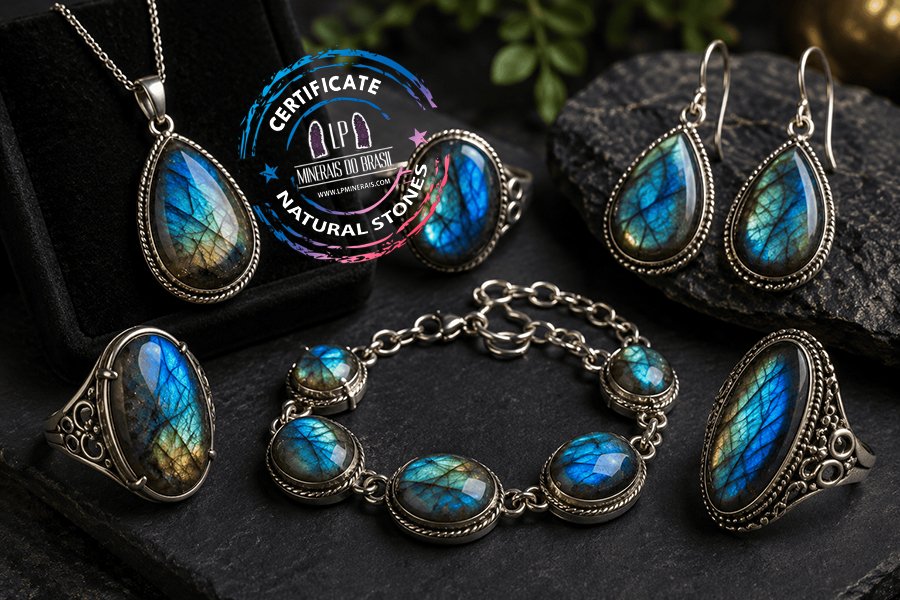
Among the most common uses of labradorite are:
- rings, pendants, and earrings;
- bracelets and necklaces;
- artistic sculptures;
- spheres and obelisks;
- decorative objects;
- architectural cladding;
- table tops;
- pieces for mineralogical collections.
How to Assess the Quality of Labradorite
The beauty of labradorite goes far beyond the size of the piece. In the gemological market, the primary criterion for valuation is the quality of the labradorescence. The more intense, widespread, and uniform the reflections are, the higher its commercial value tends to be.
Another important aspect is chromatic diversity. Some specimens feature predominantly blue tones, while others reveal a combination of green, gold, copper, orange, and violet. These variations result from the geological conditions during the mineral’s formation and the orientation chosen during cutting.
Experts typically consider several factors before classifying a high-quality labradorite, including:
- intensity of the reflections;
- percentage of the surface covered by labradorescence;
- variety of colors;
- quality of the polish;
- presence of visible fractures;
- correct cutting orientation;
- mineralogical origin.
None of these criteria stands alone. The final value results from a balance between mineralogical quality, aesthetic appearance, and the gem cutter’s skill in revealing the stone’s full optical potential.
Labradorite in the International Mineral Market
In recent decades, Labradorite has solidified its position among the world’s most widely traded ornamental minerals. Its visual appeal, combined with the relative availability of raw material, has allowed it to be incorporated into both the jewelry market and the architecture, decoration, and interior design sectors.
Madagascar has become one of the leading international suppliers, offering specimens widely used by jewelry manufacturers and mineral distributors. Canada retains its historical and mineralogical significance, while Finland holds a prominent position thanks to Spectrolite, a variety known for its rich, multicolored reflections.
For specialized companies, such as LP MINERAIS, the careful selection of raw materials represents a key competitive advantage. Known provenance, the quality of the cut, and the selection of specimens with excellent optical properties add value to the final product and reinforce the commitment to marketing high-quality natural minerals.
In the international market, labradorite is sought after primarily by:
- specialty jewelry stores;
- architects and interior designers;
- collectors;
- mineral distributors;
- crystal shops;
- interior design firms;
- importers and exporters of natural stones.
This wide range of applications demonstrates that Labradorite has transcended the realm of mineralogy and has become a material valued by various sectors, bringing together science, art, design, and tradition in a single stone.
Care, Cleaning, and Maintenance of Labradorite
Labradorite is a durable stone suitable for various applications, but that does not mean it is indestructible. With a hardness of 6 to 6.5 on the Mohs scale, it withstands daily use when properly cared for. However, its crystalline structure has two well-defined cleavage planes, making it more susceptible to impact than many people realize.
This characteristic means that a fall or a harder impact can cause small chips or fractures, especially in jewelry such as rings, which are more exposed during daily activities. Therefore, preserving Labradorite depends much more on how it is used than on its hardness.
To maintain the stone’s natural beauty for many years, a few simple precautions make all the difference.
Recommended Care
- Avoid dropping the stone or allowing it to strike hard surfaces.
- Remove the jewelry before engaging in activities that may cause intense friction.
- Store labradorite separately from harder stones, such as quartz, topaz, sapphire, or diamond.
- Transport cut pieces in cases or padded packaging.
- Avoid prolonged exposure to household cleaning chemicals.
By following these recommendations, the stone will retain its luster and, most importantly, the intensity of its labradorescence, which is its most distinctive aesthetic feature.
How to Clean Labradorite
Cleaning Labradorite is quite simple and should always be done gently. The goal is to remove dust, natural skin oils, and accumulated residue without compromising the surface polish.
The best method is to use room-temperature water, mild soap, and a soft cloth or a brush with extremely soft bristles. After washing, it is recommended to dry the stone completely before storing it.
On the other hand, certain procedures should be avoided, as they can compromise the mineral’s integrity over time.
Avoid using:
- harsh chemicals;
- solvents;
- bleach;
- ultrasonic cleaning equipment;
- high-temperature steam cleaning.
These precautions are especially important for high-value jewelry and cut gemstones in collections.
Energetic cleansing according to the tradition of crystal therapy
In holistic practices, many people believe that crystals also benefit from symbolic cleansing after periods of intense use. Although these practices lack scientific proof, they are part of the tradition of crystal therapy and are widely used by mineral enthusiasts.
In the case of Labradorite, gentle methods are typically preferred, precisely because they respect both the symbolism and the physical characteristics of the stone.
Traditionally used methods include:
- smudging with natural herbs;
- resting on selenite slabs;
- contact with clear quartz druses;
- exposure to the soft light of the moon, especially during a full moon;
- moments of meditation and conscious intention during the cleansing process.
Regardless of the method chosen, the goal of these practices is to symbolically represent the renewal of the energy associated with the crystal and to strengthen the personal connection of the person using it.
LP MINERAIS Technical Sheet ⛏💎📦🗺
🗺 Origin: Canada, Madagascar, Finland, Russia, Ukraine, Mexico, and the United States.
⚛️ Chemical Composition: (Ca,Na)(Al,Si)₄O₈ — plagioclase feldspar belonging to the albite–anorthite series.
🔩 Mohs Scale: 6 to 6.5.
🔢 Numerology (crystal therapy tradition): 6.
🔅 Traditional Meaning: Transformation, energetic protection, strengthening of intuition, and expansion of consciousness.
🅰️ Summary: An ornamental mineral known worldwide for the optical phenomenon of labradorescence.
✅ Specification: A tectosilicate belonging to the plagioclase feldspar group.
🧩 Commercial Forms: Rough, tumbled, cut, sculptures, spheres, obelisks, towers, decorative slabs, and collectible pieces.
⚒ Formation: It crystallizes primarily in anorthosites, gabbros, norites, and other igneous rocks of intermediate to mafic composition.
⚠️ Care: Avoid impacts, ultrasound, steam, and contact with harsh chemicals.
🛁 Cleaning: Water, mild soap, and a soft cloth. In holistic traditions, it is often symbolically cleansed with selenite, clear quartz, smudging, or moonlight.
🎨 Color: Gray, graphite, dark green, or nearly black, with blue, green, gold, orange, copper, and violet highlights.
☯️ Zodiac: Traditionally associated with Leo, Scorpio, Sagittarius, and Aquarius, depending on the crystal therapy approach used.
🪐 Planet: Often associated with Uranus.
➰ Chakras: Primarily the Brow (Third Eye) and Crown chakras.
♻ Element: Air and Water, depending on different schools of crystal therapy.
💎 Rarity: Moderately abundant, though specimens with intense, multicolored labradorescence are highly prized.
🗳 Distinctive Feature: Labradorescence, one of the most impressive optical phenomena observed in natural minerals.
Frequently Asked Questions (FAQ)
Is Labradorite a rare stone?
From a geological standpoint, no. However, specimens with intense labradorescence, extensive coverage of reflections, and excellent cut quality are significantly rarer and more highly valued on the market.
How can you tell if a labradorite is real?
Natural labradorite displays reflections that appear and disappear as the stone is moved in the light. This effect occurs within the mineral and is rarely reproduced with the same natural appearance in glass or resin imitations. For high-value pieces, a gemological appraisal remains the most reliable way to confirm authenticity.
What is the difference between Labradorite and Spectrolite?
All spectrolite is labradorite, but not all labradorite can be called spectrolite. This name is used for specimens from Finland, known for the extraordinary diversity and intensity of their iridescence.
Can labradorite be worn every day?
Yes. It is widely used in pendants, earrings, bracelets, and necklaces. For rings, a little more care is recommended due to greater exposure to impacts.
Can Labradorite get wet?
Yes. Cleaning with room-temperature water and mild soap is considered appropriate. What should be avoided are harsh chemicals, steam, and ultrasonic cleaners.
What is the meaning of Labradorite?
In crystal healing traditions, Labradorite is often associated with transformation, energetic protection, creativity, strengthening intuition, and expanding consciousness. These interpretations fall within the realm of symbolic and holistic practices.
Conclusion
Labradorite is one of the most impressive demonstrations of nature’s ability to unite science and beauty in a single mineral. Its geological formation has given rise to a rare optical phenomenon, capable of transforming a seemingly unremarkable surface into a spectacle of colors that shifts with the light and the observer’s gaze.
At the same time, its presence in crystal therapy traditions has made it a symbol of transformation, intuition, and inner renewal. Whether admired for its mineralogy, valued in jewelry, used in decor, or chosen for its symbolic meaning, labradorite remains a stone that continues to inspire fascination across different cultures and generations.
At LP MINERAIS, each stone represents much more than just a piece of nature. It carries millions of years of geological history, unique beauty, and a mineral heritage that deserves to be known, preserved, and valued.
By: Doris S. Rosa
Howlite: what lies behind the Stone of Calm and Inner Silence?
Moonstone: the Stone of Intuition, Feminine Energy, and the Mysteries of the Moon.
Jade: The Stone of Wisdom, Prosperity, and Harmony That Spans Millennia
Angelite: The Stone of Serenity, Intuition, and Spiritual Connection
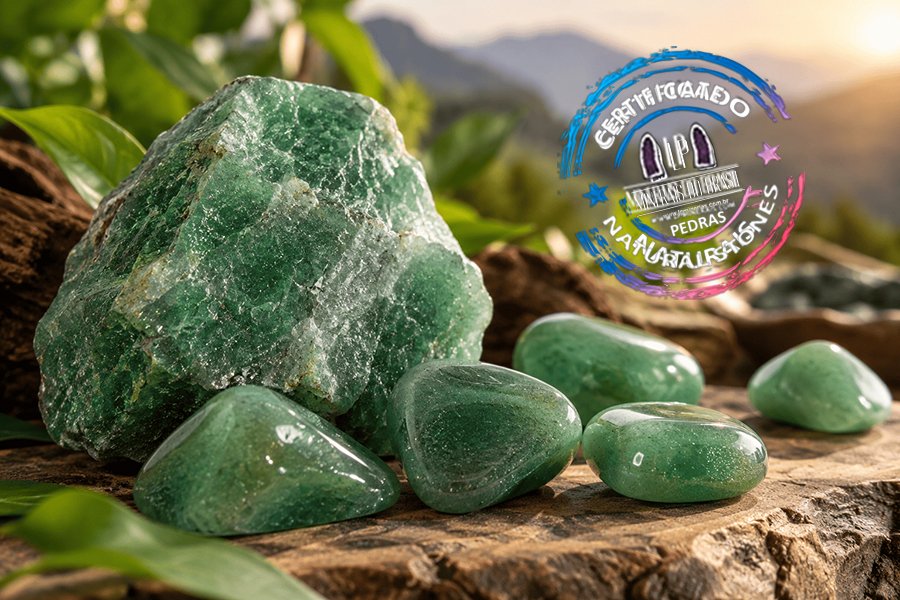
Green Aventurine: the Stone of Prosperity, Opportunity, and New Paths
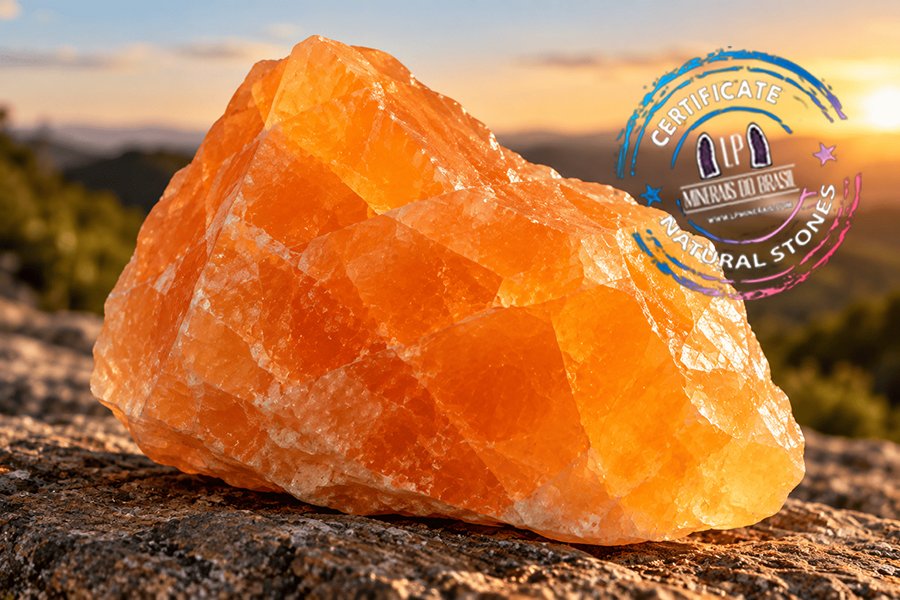
Orange Calcite: The Solar Energy That Awakens Creativity and Movement
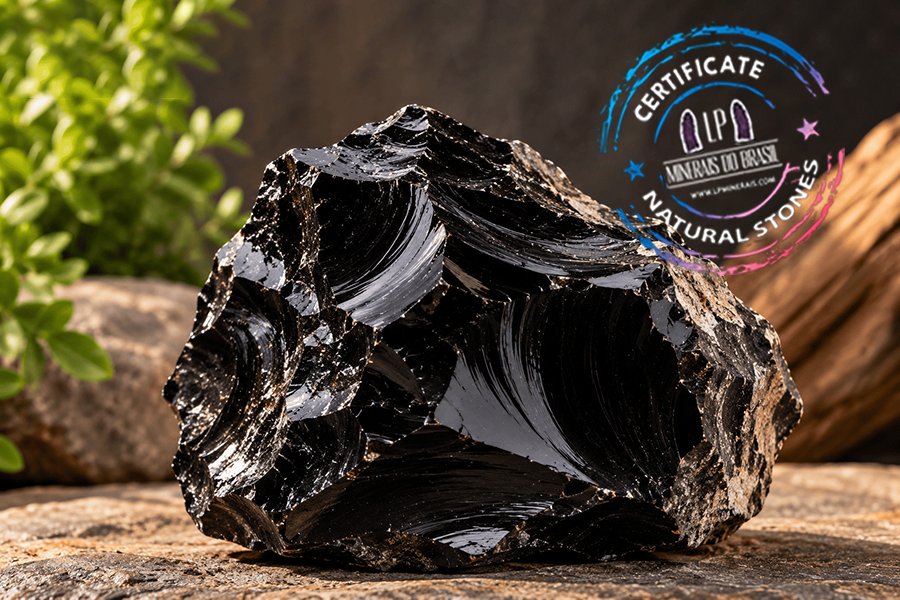
Black Obsidian: origin, formation, properties, and meaning of one of the best-known protective stones.
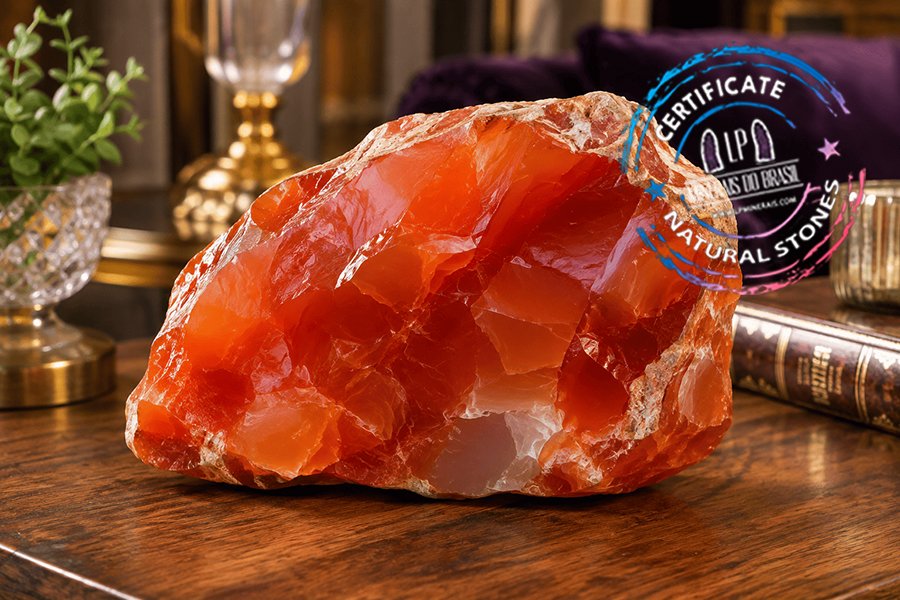
Carnelian: origin, formation, mineralogy, and the vibrant energy of a stone linked to action.
Fluorite: Mineralogy, Formation, Colors, and Meaning of a Mineral that Organizes Light and Color
Red Jasper: Mineralogy, Vitality, and the Ancestral Strength of an Earth-Connected Stone